
Community stories
Village dances, fundraising events, schooldays and working lives feature in memories from Crianlarich, Tyndrum and Killin. People recall busy halls, neighbours helping one another and the everyday encounters that helped them get to know the place.
They also describe changes in employment, transport and places to meet. Alongside those memories are accounts of community life today, from support after a house fire to the welcome found by someone moving into the village.
Discover Community Stories
Alec and Jeanette Buchan remember fundraising for the community - activities included pram races!
Alan MacLennan told us that everyone worked hard, including the women in his family
Jill Stroyan from Killin recalls a time not dominated by the motor car.
Rebecca Turner moved to Crianlarich for the hills, and she has found a strong community spirit
What the community looked like
Billy Ronald grew up in Crianlarich and went to primary school at a time when children came from one of two types of families.
-
When I was at primary school, there was up to 42 in the primary school at one point, I think. But most of the kids then were either farming or shippers' kids or railway workers' kids.
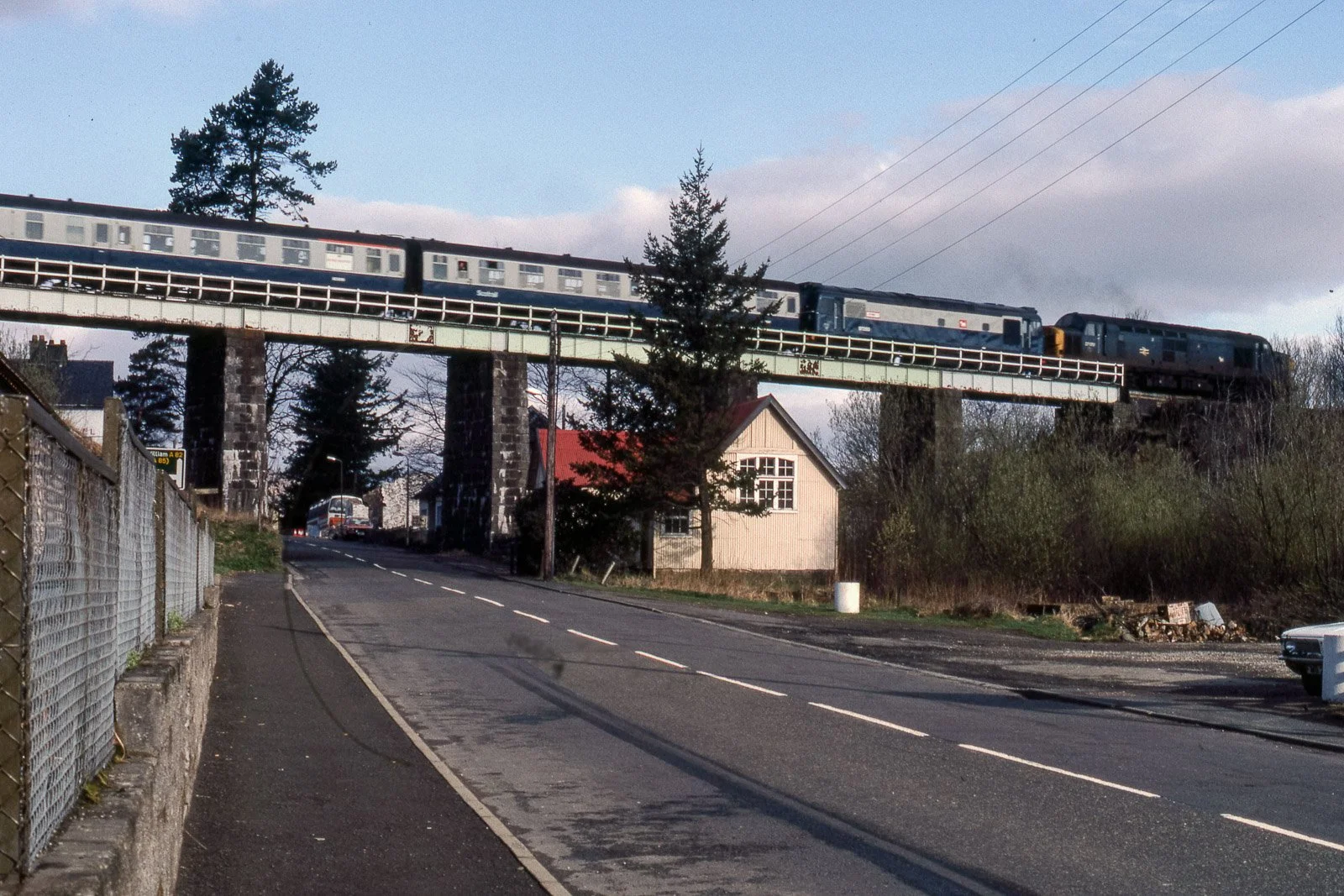
Crianlarich (Graham Maxtone)
John Christie's family were railway people. He remembers the houses in Crianlarich packed ten to a row, families crowded into rooms. The village was dense with people and noise.
-
The village then, it must have been a very different place than it is today. It would be quite a rough and tumble.
There was a lot of men these houses across the road where I'm saying my father was born. There's a row of six houses there now. That was ten, and my granny who grew up latterly in there, she had a lot of brothers and sisters, and they're all in these ten houses were knocked through to make six eventually, and a bit was cut off at the end as well.
So people were packed into these wee houses, and the same where I live in Strathfillan and Terrace. It was built by the MB2 probably 20s, 30s, and there were a lot more people in it then and now.
Stuart Christie grew up in Glen Dochart, where the social life was anchored in the Suie Lodge Hotel. Friday and Saturday nights went like a fair. (Thank you to Killin Media Team for this interview)
-
In the glen like there was a hotel, the building over there, Suie Lodge Hotel. Every weekend it was quite like a fair, Friday, Saturday night, there’d be 20 or 30 people in it and all the local people would be in it too. So there was actually quite a social life. And go back further than that my mother and father played in a small dance band and so they would be out playing ceilidhs on some cushy deal maybe up to Bridge of Orchy or something. Most weekends there would be a dance somewhere the old school at Ardachle there would maybe be a community dance once a month.
People seemed to be more willing to go out of the house, there would maybe less entertainment in the house no Netflix or that, but people went out and sort of made their own entertainment in those days.
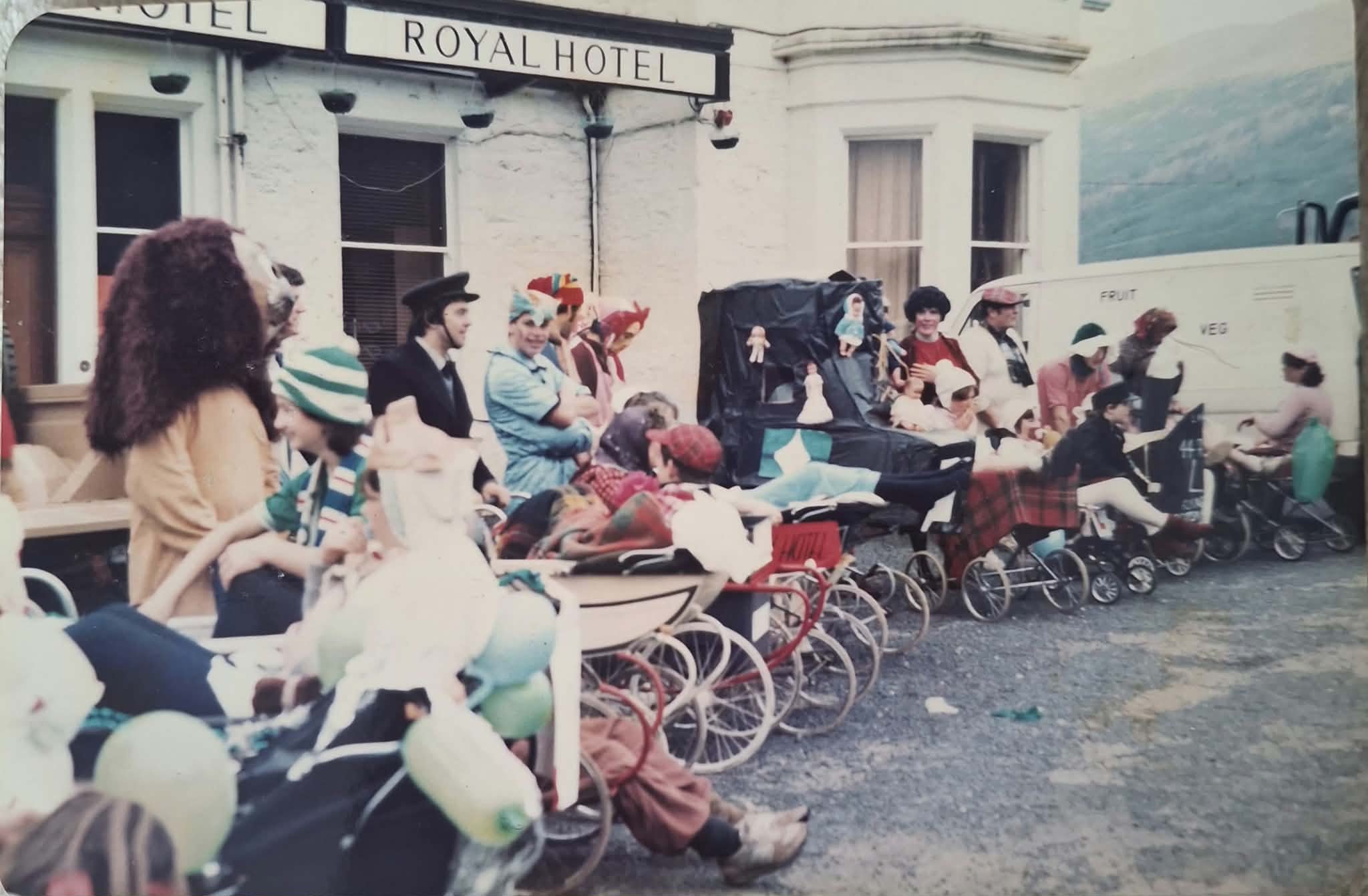
Royal Hotel in Tyndrum (both pictures: Janice Henderson)
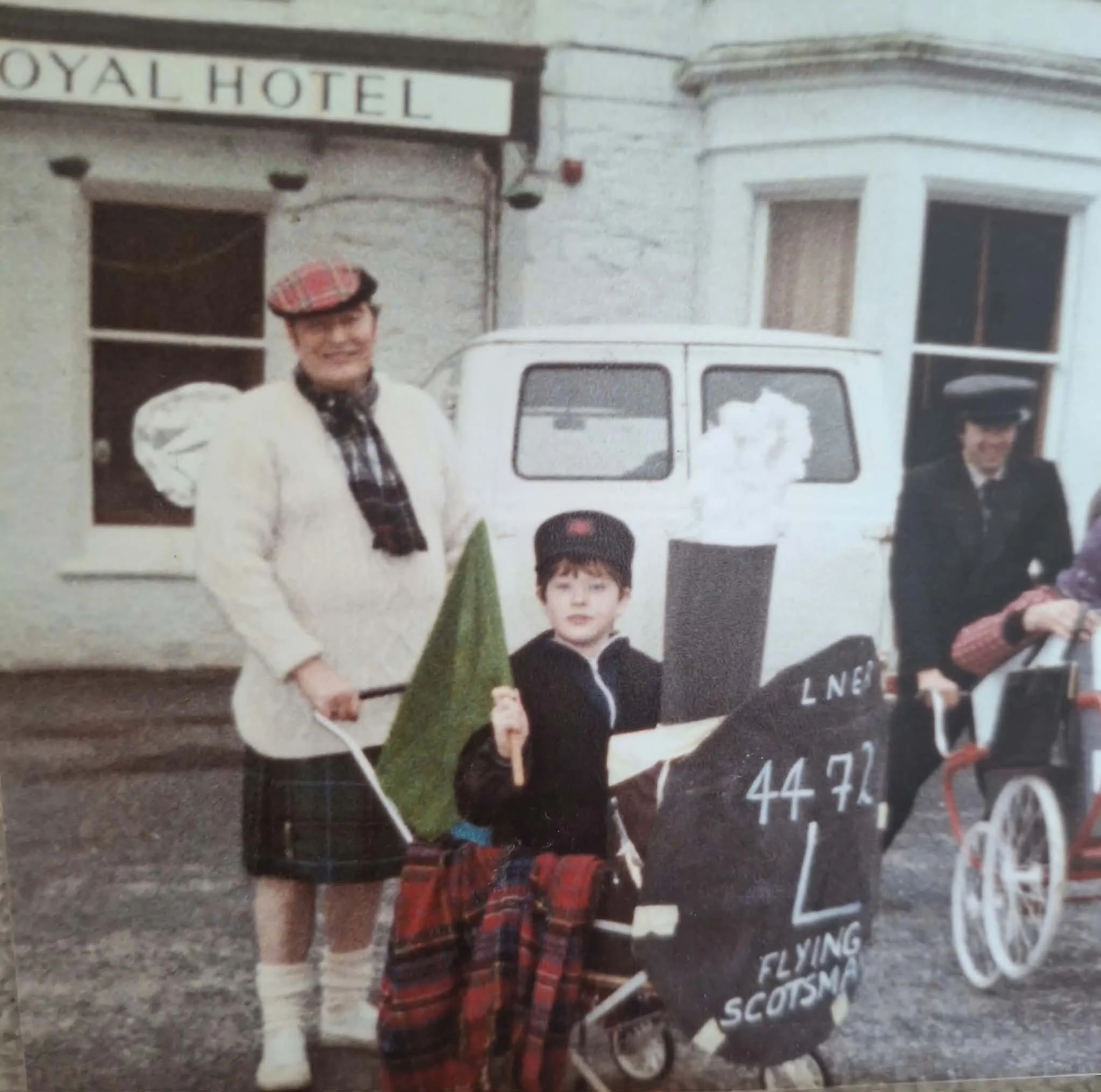
Locals raced prams to Crianlarich, along the main road!
Alec and Jeanette Buchan remember a particular era of community effort in Glen Falloch: summers of fundraising events, climbing competitions, sheepdog trials, and even a pram race between Tyndrum and Crianlarich!
-
We all got together and we had various things on all summer, maybe for two summers. We got £22,000. We ran climbing competitions, that was what I did, doing it with my father. We had a clubbing competition which was, you know, you get two men competing, you know, you get two or three sheep in it, the judge do it also.
And the funds from that, which would maybe make £300-£400, they went towards the whole, but that was only one of many things that we could do. But it was a community then, and everybody went. You know, there was two pram races in the main road from Tyndrum to Crianlarch. You wouldn't have allowed that now. No. And they had games in the field, two lots of games in the field. Everybody supported it. That was the Jubilee year that we had the games. Aye. Aye.
But we had this games, and we were playing football, and we were all dressed up as women, you know, different, like groom or so, and things like that. And here this boy got hurt, and he was taken away to hospital the other day. I know I'm just... I know I'm... I'm too bad. Anyway, somebody kicked him, and he was... Oh, God. He was thrown away, and people laughed at him. Anyway, that was one of the things. But the other thing which we did... I'm not just saying when we started this, but we ran an auction every year for the whole, which you possibly heard somebody say now. Well, my neighbour, he was going to head one, and he would be involved. And he was an auctioneer, and Dick Stevens, auctioneer, and... Myself, and somebody else. But anyway, we just did a turn, and you just... it was just a lot of... didn't matter what it was, bags of flour. Yeah. A pound or... They had an auction in the old hall for funds for the new hall, and I think that's what got it going. Yep, that's right. And from then on... Oh, that's what started it, definitely.
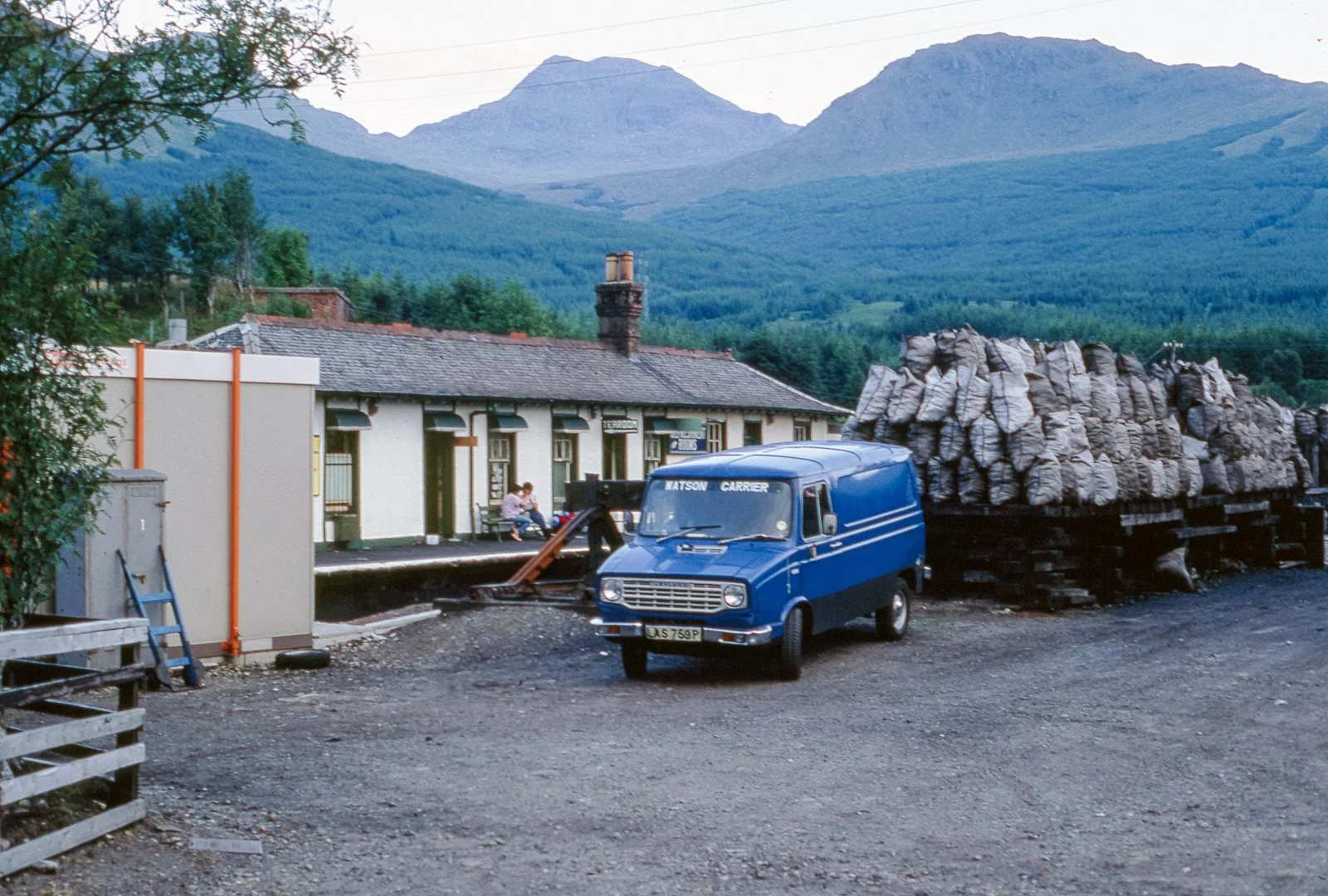
Norman Campbell's coal bench c.1983 (Graham Maxtone)
Hidden labour
It wasn’t all fun; there was plenty of hard work, and Alan MacLennan is keen that the picture of community life should not leave out the women. His family ran the coal round, and it was his grandmother's sister who filled the bags on the lorry.
-
If you get the impression women did very little, it’s wrong. For a while my family owned the coal round, must have been from a truck. A resident in the village told me her father bought it, the coal round from our family. And the reason I’m saying this is that my granny’s sister filled coal bags on the lorry — and it was a lot of heavy work you don’t think of that. It’s important to remember that everybody worked hard.
Jill Stroyan has lived in Killin on and off for the last 50 years, and her father-in-law bought the Boreland estate and therefore bought the Moirlanich Longhouse too, until the 1990s when the National Trust took it over. Jill remembers when the relationship between the glen and the village was entirely different: no cars, so everyone came in on foot or bicycle, pushing prams down the road from Boreland to shop in Killin. That daily movement kept people connected in ways that have since evaporated. (Thank you to Killin Media Team for this interview)
-
I would say that in those days the relationship it was probably quite different because not everybody had cars. But obviously they would, the glen would have to shop in the village because there weren’t any shops, or travelling vans doing deliveries. So they would have had to either cycle to the village for their shopping or in most cases probably walked to the village. I certainly remember people walking down pushing their prams to the village way back in the 1960s and 70s and thought nothing of it. Even my younger son used to walk from Boreland to the village with Linda Frost usually and her children. Now really I don’t think that people do that nearly so much.”
Then and Now - Main Street, Killin
Slide across the pictures to see how much has changed
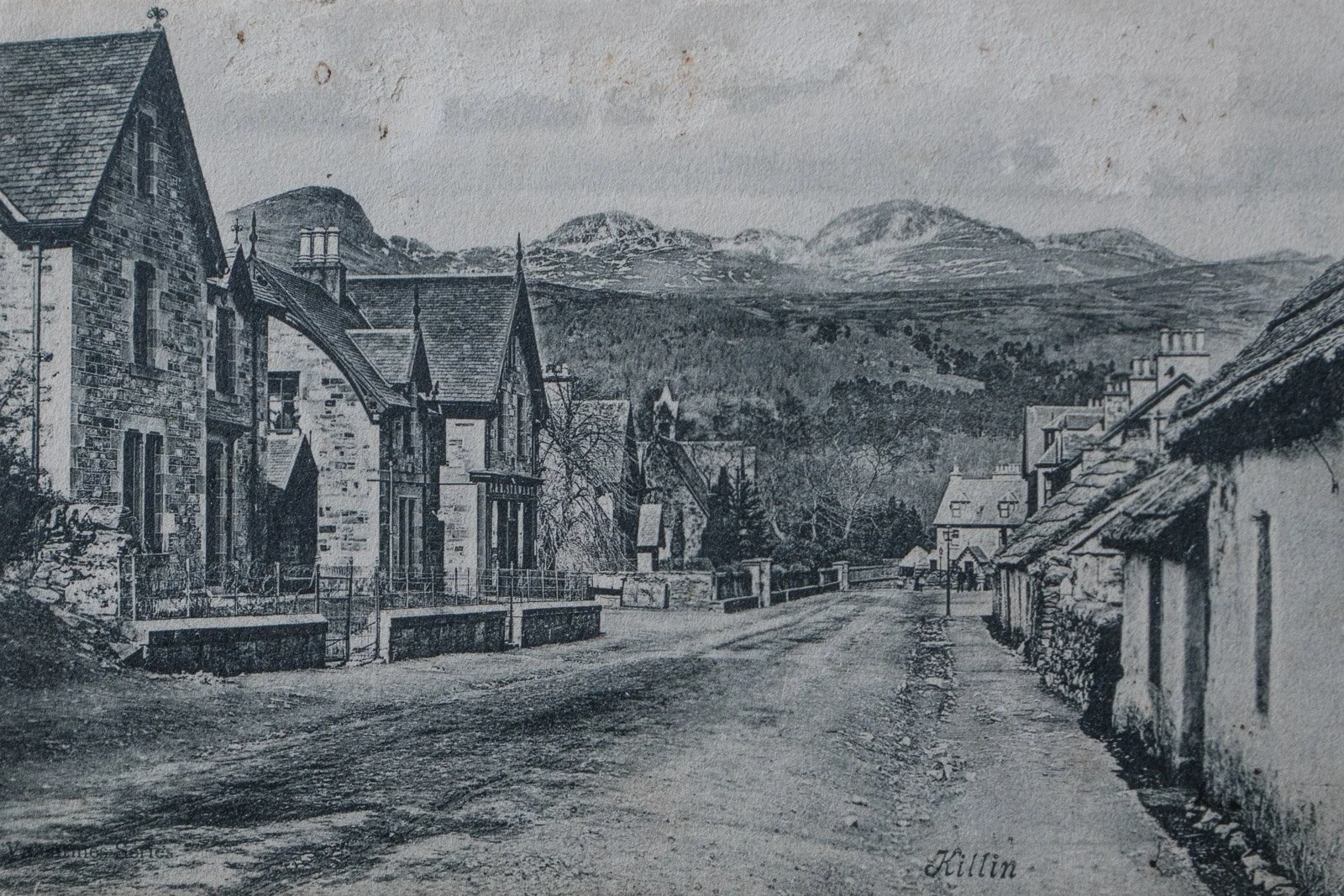
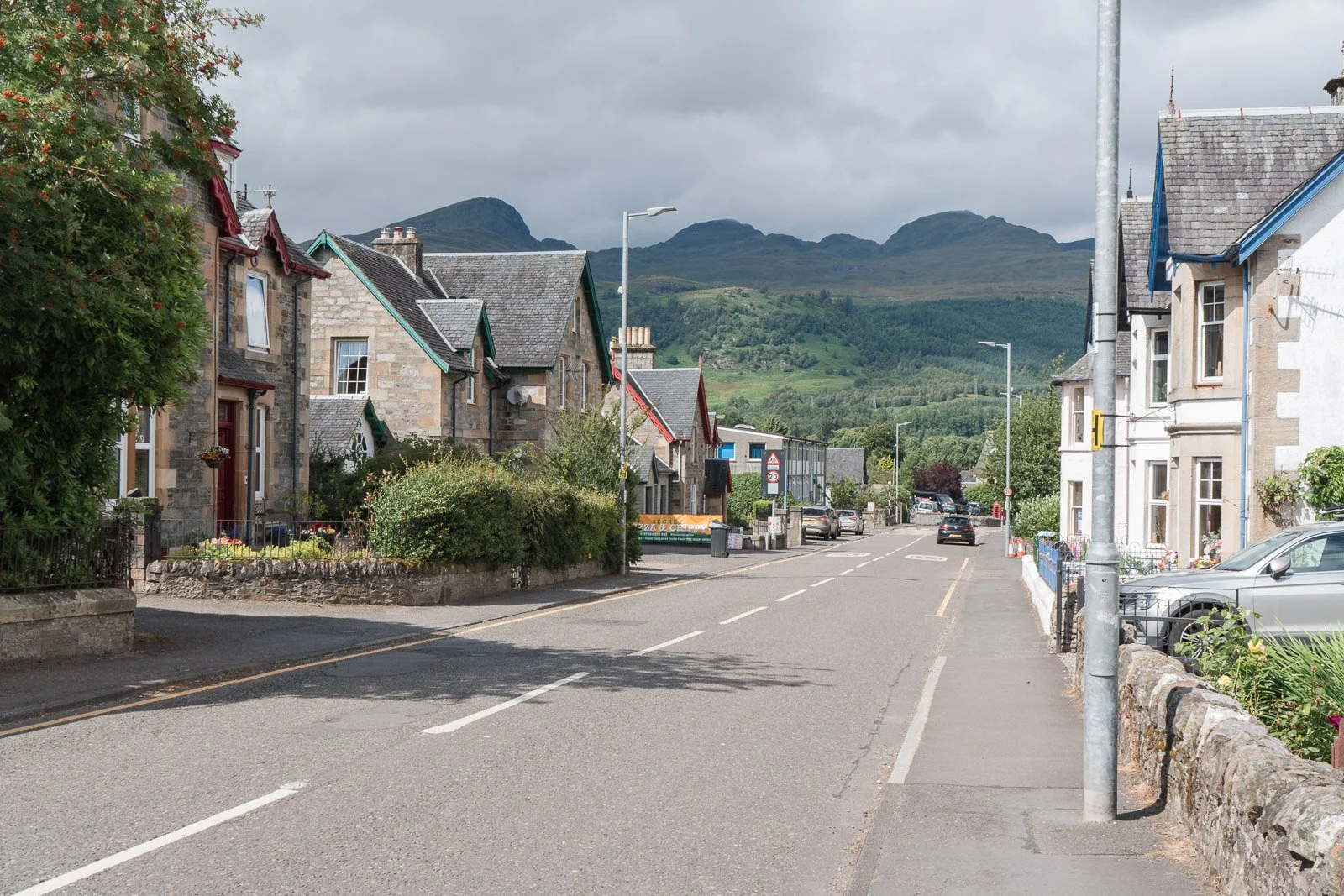
Although Main Street in Killin has evolved over the years, it retains a reassuring sense of familiarity and community. Sròn a’ Chlachain rises directly above the village, while Meall nan Tarmachan, the Tarmachan Ridge and the Ben Lawers range form a dramatic backdrop. Together, the familiar street and surrounding mountains create a strong sense of continuity, connecting today’s village with the generations who have lived, worked and gathered here before.
Changing times
In Glen Dochart, like other rural areas, Stuart Christie says, the social scene is simply gone. (Thank you to Killin Media Team for this interview)
-
There is no social scene in Glendochart at all now. It’s just nothing at all. It’s just gone, all the rural communities seem to have lost the and cohesion of all making their own entertainment sort of going out to concerts and dances you know.
Sarah Heward identifies a specific loss in Tyndrum: the community hall was sold, and there is no dedicated public building left to gather. Even elected representatives cannot hold a surgery in the village. The last one used her business, The Real Food Café.
-
There’s no community hall. There was a community hall, but it sold. There’s nothing — and that’s the real issue to be honest in my opinion. There’s no hub, no community hub, there’s n community, kind of, well very very little, really. Sometimes there’s something at the pub because the pub owner puts that on, but there’s very little, and it’s not kind of, there just isn’t the opportunity. Even MSPs and MPs can’t hold a surgery here because there’s nowhere to hold a surgery. The last politician to hold a surgery here was Alyn Smith who was the MP and he held it in my café — it’s not the ideal place to hold a surgery.
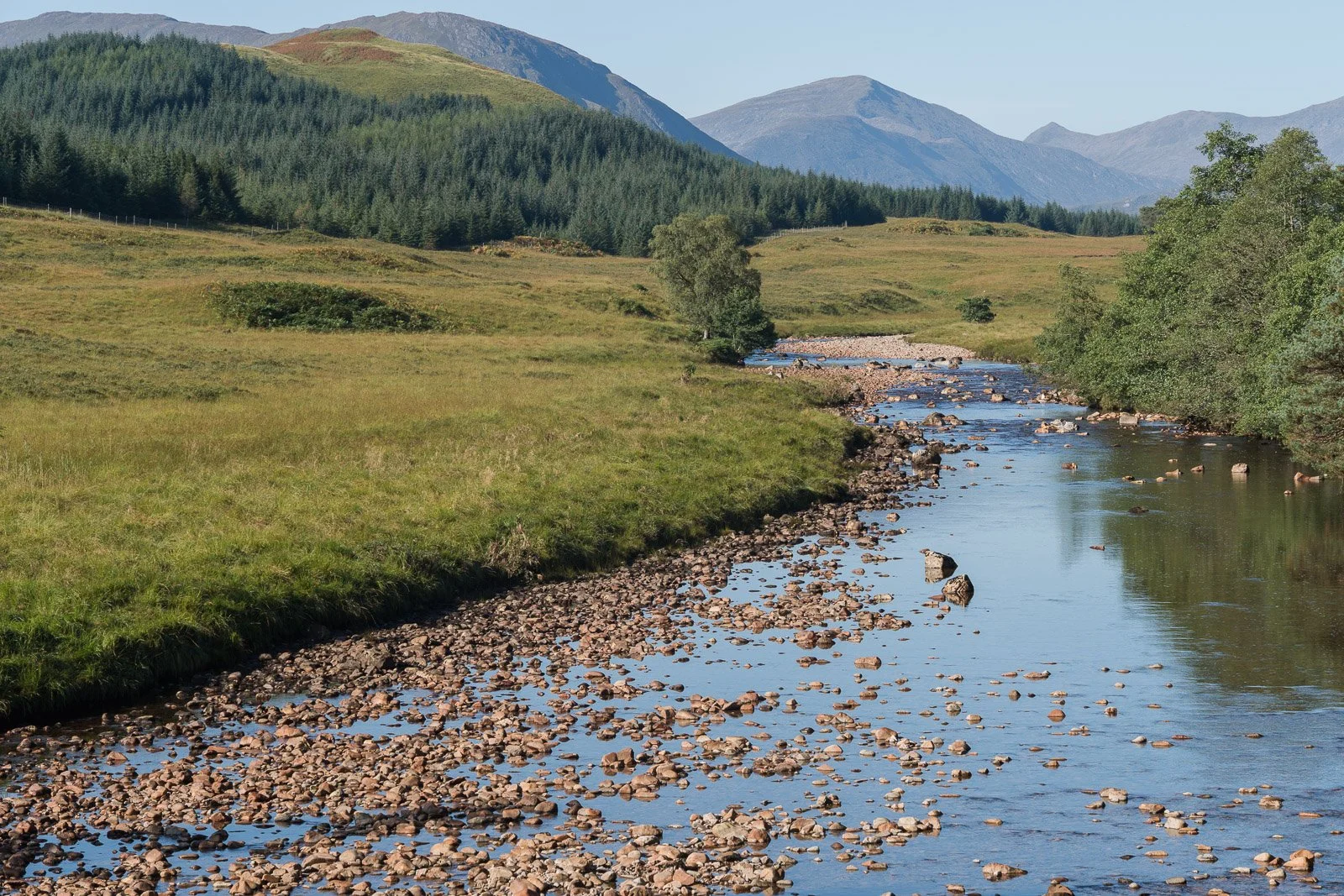
Growing up in the Hills
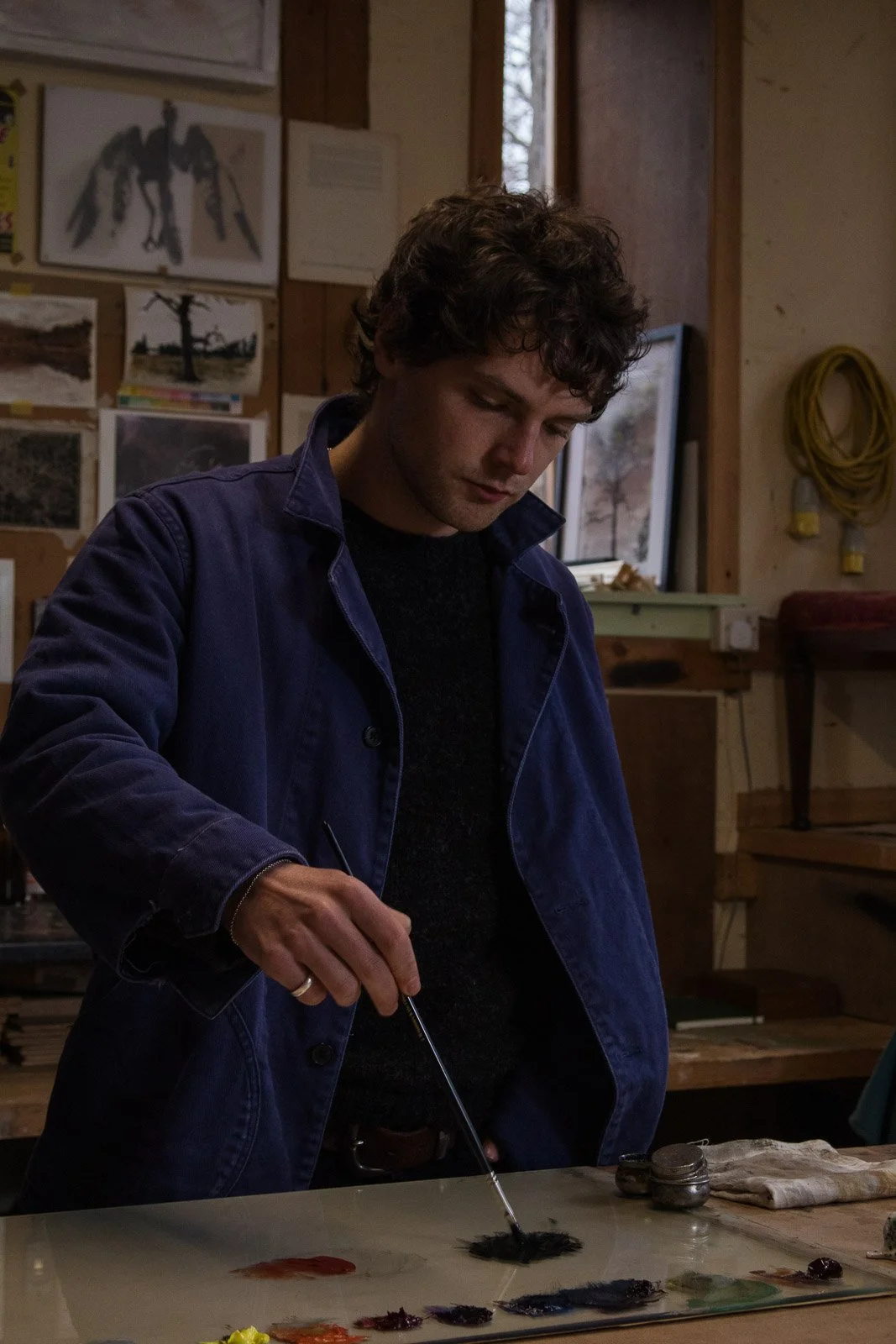
Below, Innes MacLellan from Inveroran shares memories of growing up in Inveroran, enjoying adventures with his younger brother Will.
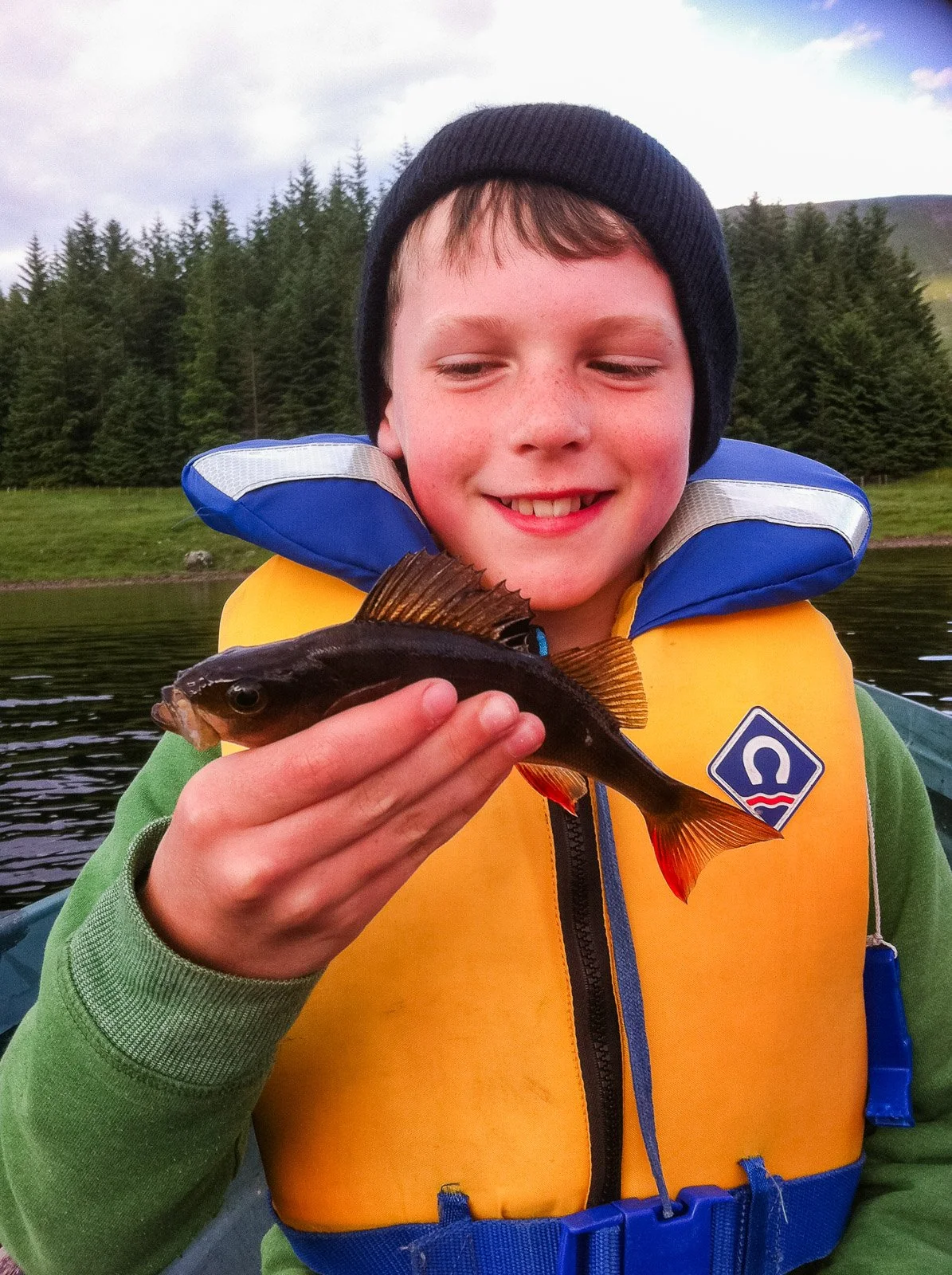
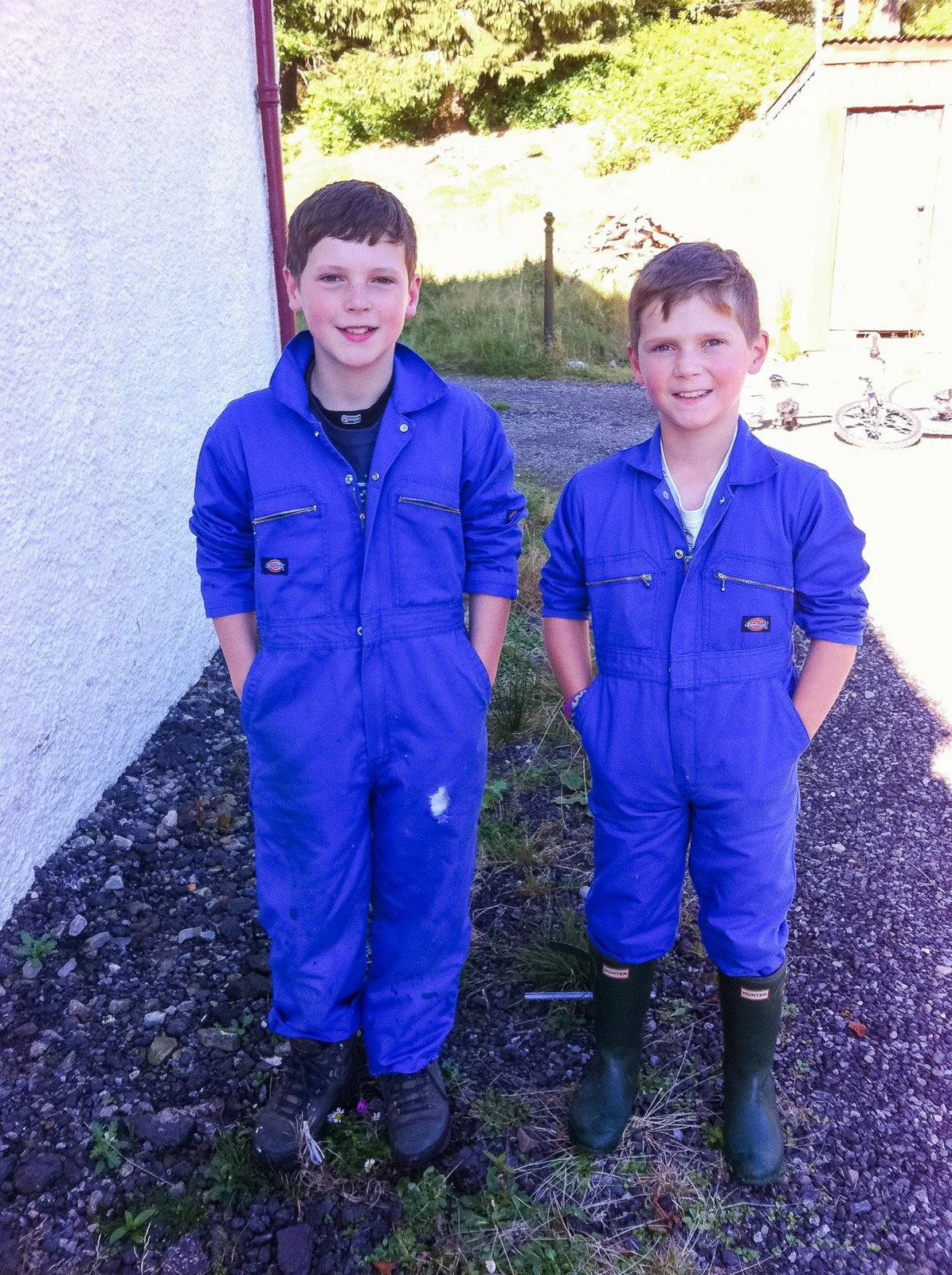
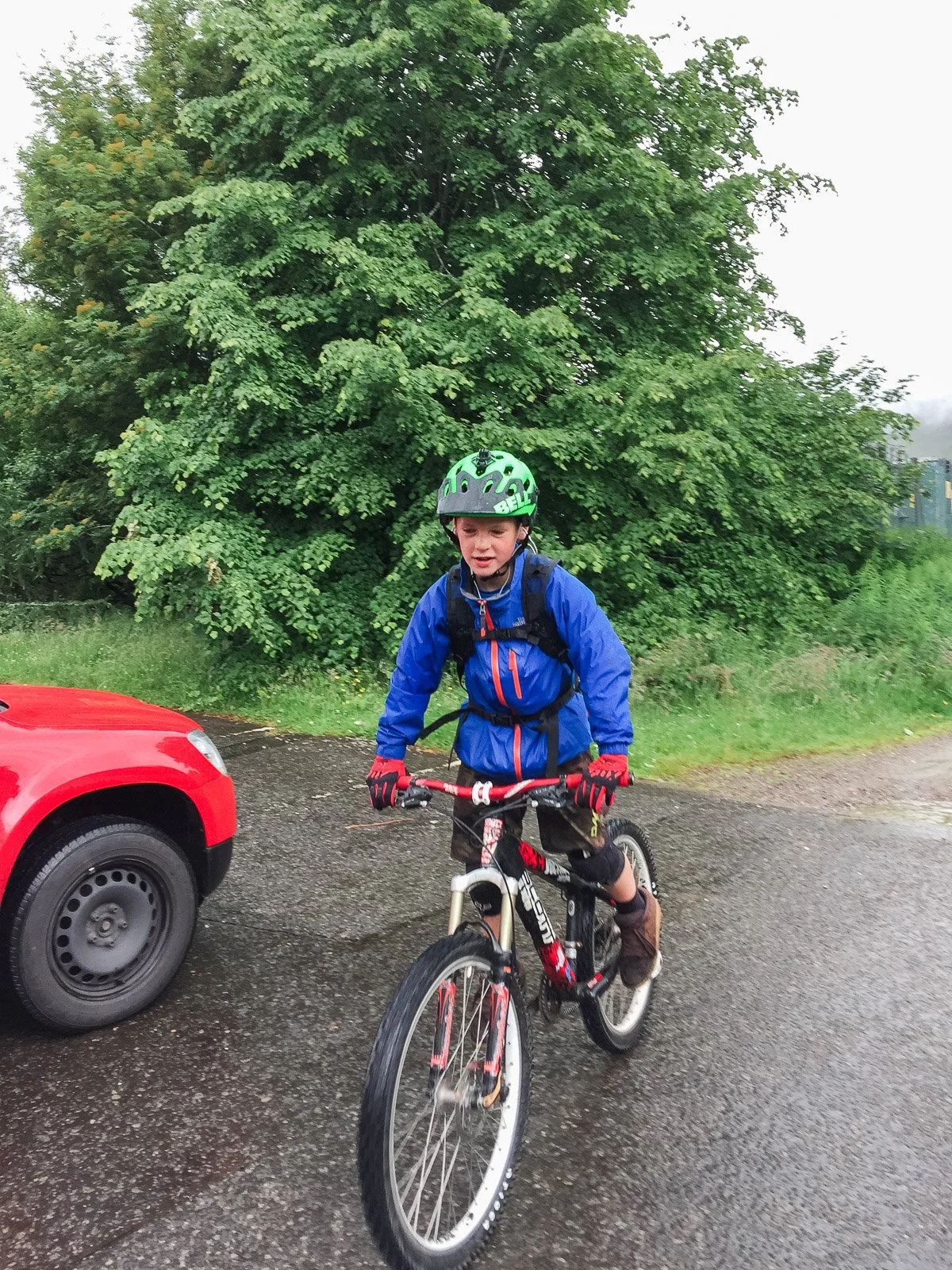
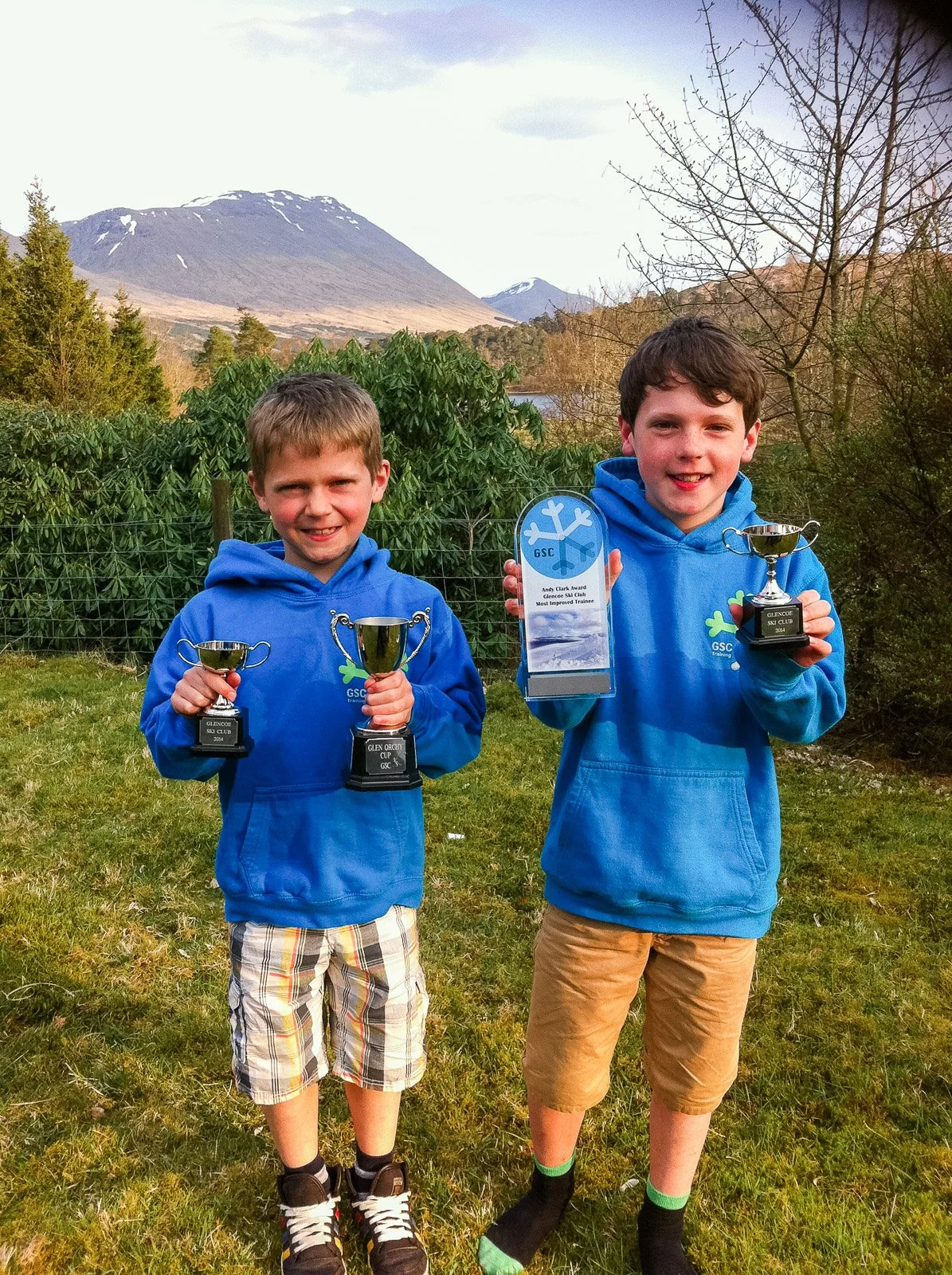
(Pictures above Innes MacLellan, background picture of Inveroran, Paul Saunders)
Growing up here
Not everyone who leaves comes back. That Innes MacLellan did, and why, says something about what this landscape does to the people who grow up around it. Innes lives at Inveroran, north of Tyndrum.
-
I mean, beautiful, to be honest with you, it's well being a creative, it's really permeated all aspects of my artistic flair and sensibility, living in an area where the brutal and bucolic coexists, like on a shooting estate where I've lived and grown up, I've found it very inspirational.
It can be a bit of a pain when you're younger and you get invited to parties last minute and then you're like, you know, an hour or so away and you can't get a bus, and you have to rely on a lift. But once you kind of surpass that, it's, yeah, I've always loved it. I've never really felt like I would want to be someplace else.
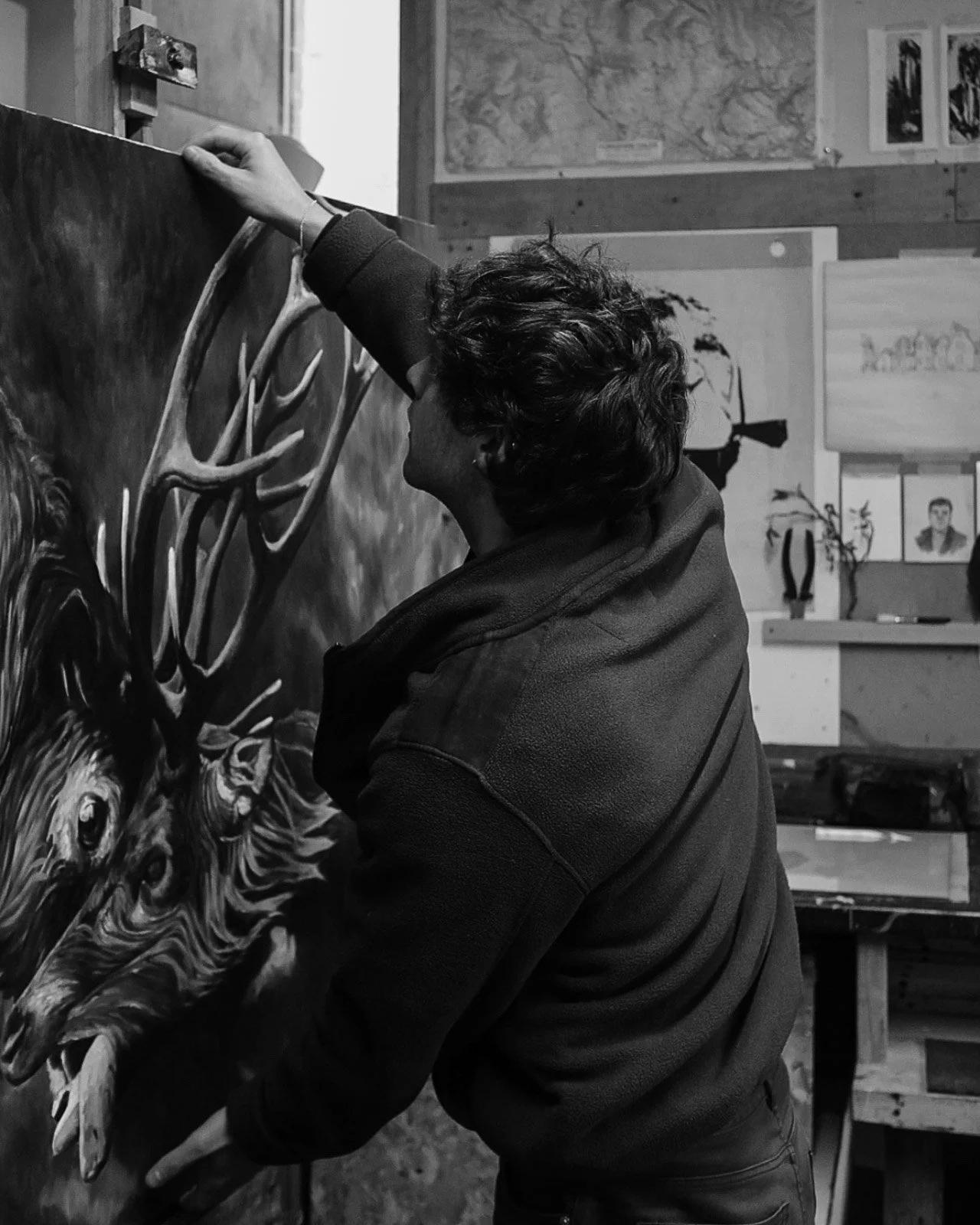
MacLellan graduated from Grey's School of Art in Aberdeen and returned to Strathfillan, setting up a studio on the estate. The isolation that felt limiting as a teenager has become the condition the work needs.
-
I recently just graduated from Gray’s School of Art in Aberdeen in July there. So I've moved back home and I have a studio space on the estate, which is really handy to have. It's just, you know, a hop, skip and a jump from the house. I can continue to obviously better my practice and things. I'm also working with a gallery in Tighnabruaich and I'm part of a new pilot programme called the Scottish Contemporary Collective, which is a new initiative to really help and it's for the benefit of emerging artists in the UK. And yeah, my art is very multifaceted in the sense where I work with a lot of different mediums and, you know, paint, photography, drawing, printmaking. A lot of those skills were ones that I picked up when I was at Gray's in Aberdeen and other ones are just sort of, I've just done it ever since I can remember. So living and growing up, obviously, like I said previously, in such a beautiful area has obviously had its impact on me. And so I think it's also a little bit of nature and nurture there as well. My folks always doing creative things with me when I was younger.
His drive back from Aberdeen. The last stretch of road. The moment the hills come into view.
-
I think going in the Darroch towards the Inveroran hotel, just looking out onto the loch and all the mountains and everything like that, especially when I was at university coming back home, obviously that's like a three-and-a-half-hour drive.
So that last bit as you're coming in, you're maybe only maybe five, 10 minutes away, it's like a home stretch, I'm almost there now and it's just beautiful, rain or shine.
Innes MacLellan working in his Inveroran studio
Still a close-knit community
When Donald McLarty’s house in Killin caught fire, offers of accommodation, food and beds arrived the next day. That speed of response, and the instinct behind it, is what community means in practice. (Thank you to Killin Media Team for this interview)
-
In 2002 my house went on fire. Upstairs was literally wrecked with smoke and heat and what have you. Within eight hours the following day I had offers of accommodation, food, bedding – you name it was offered it. All within 8 hours of the following day. So in that respect the community they stick together pretty well I would say.
Margaret Taylor, who has lived in Killin for most of her life, watched the community pull together during Covid and was struck by how well it held. (Thanks to Killin Media Team for this interview)
-
I was in Killin by the time COVID came. And I would say Killin gelled with COVID, I think they did awful well. I take my hat off to Kenmore Bakery because they were first to get in and, and because that they will always have my loyalty
Rebecca Turner moved to Crianlarich from Devon, where she had seen villages become ghost communities of second homes out of season. Crianlarich was different. She came for the hills and found, even when illness kept her off them, that she still did not want to leave.
-
It’s a local village so that’s the thing — people kind of hang out and do things together. I’m from Devon down in the Southwest of England and then I lived in Cornwall as well; there are villages there and I guess there must be up here, there are villages there that are almost all second homes and out of season — there’s just nothing, there’s no community, there’s nothing. Whereas Crianlarich has such a strong community. I had my injury when I first moved here and then I was very ill last year; people have just been so amazingly supportive. Because it’s meant that I haven’t been able to do what I moved here to do which was the hillwalking and yet last year when I was very ill, if this gets worse where do I want to be and you know I still would still want to be in Crianlarich because even if I couldn’t get up (I am getting quite emotional) just because the community is so fantastic.
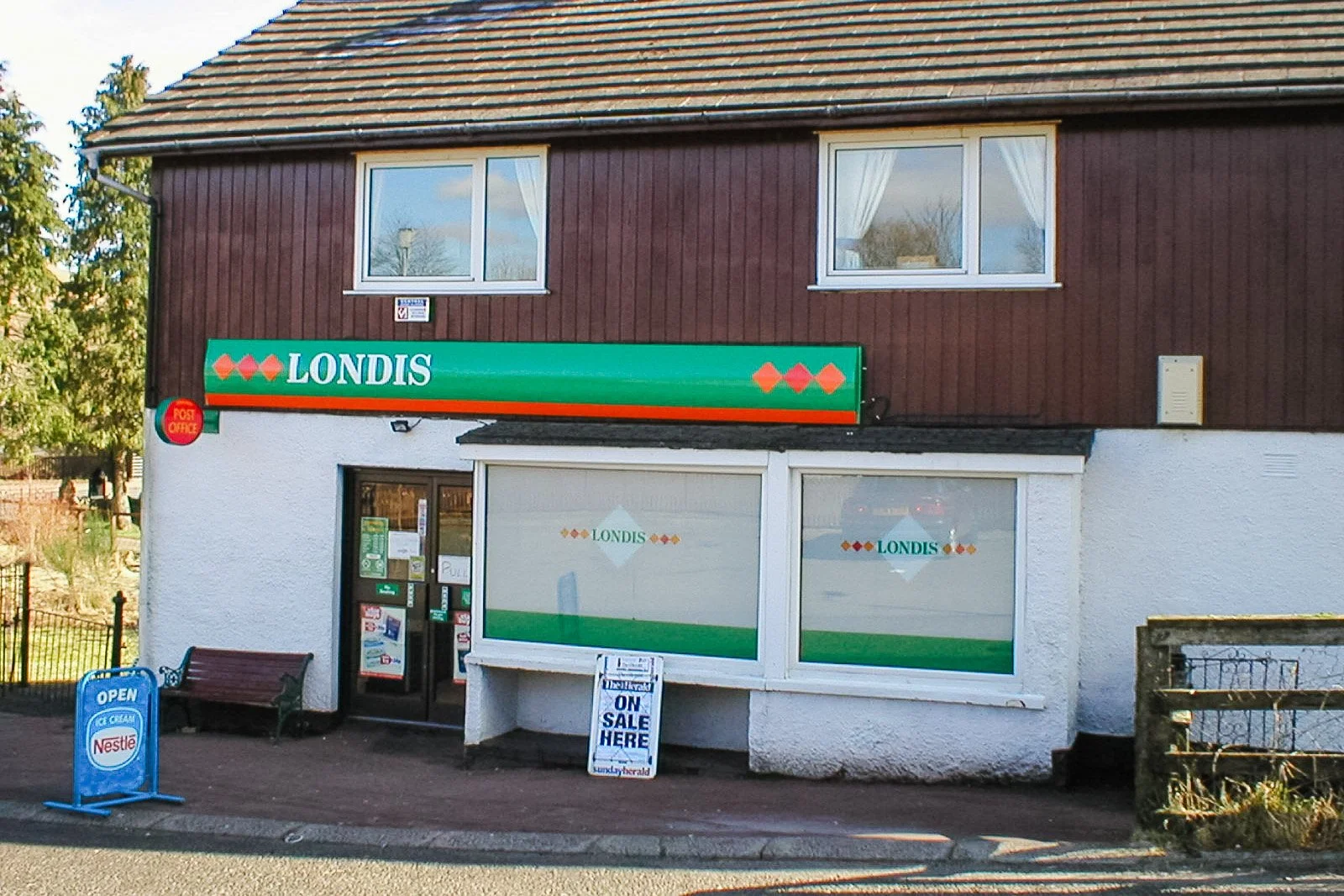
Shop before its 2003 extension
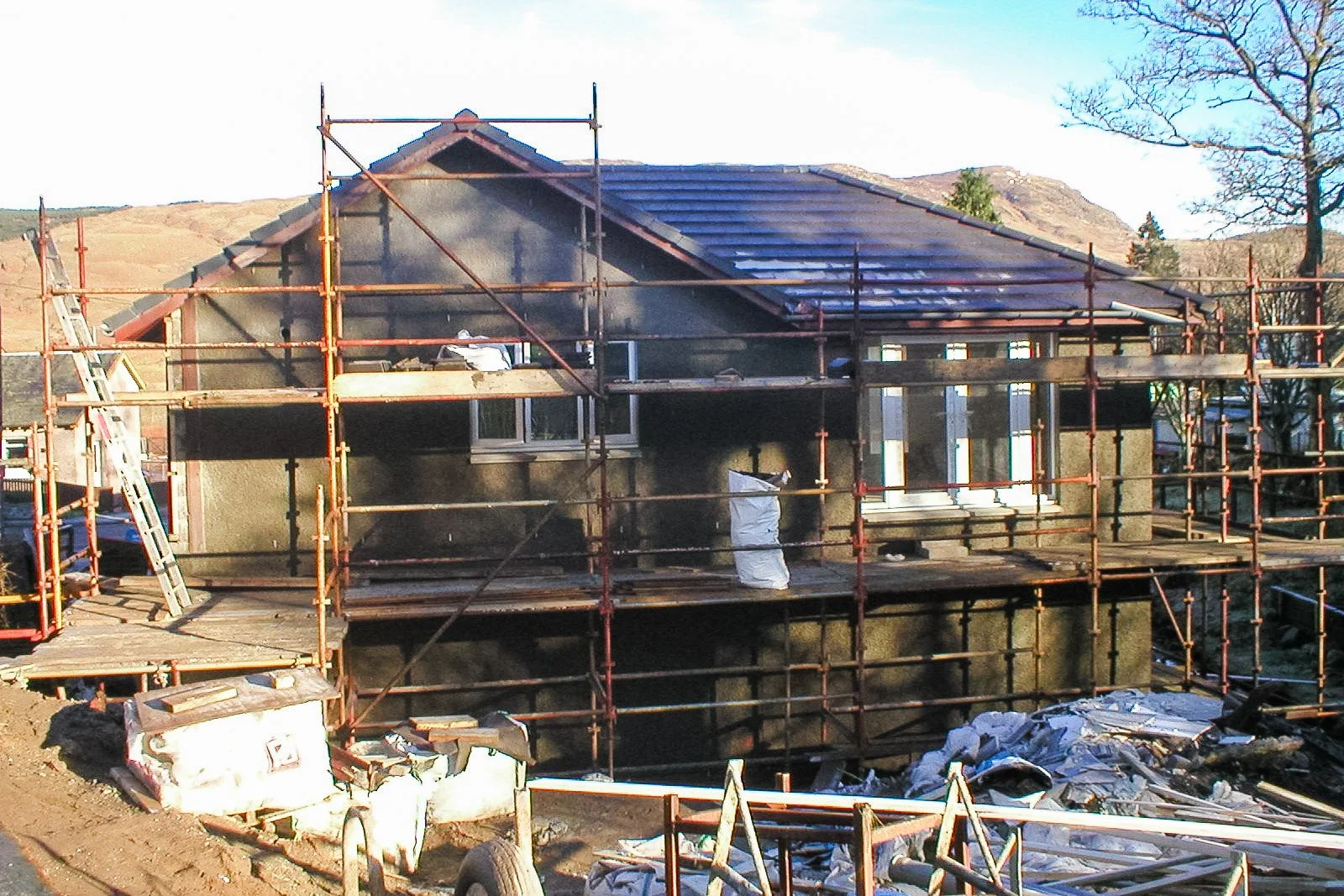
Shop rear extension 2004
For Rebecca, the centre of it is the village shop. The person who runs it knows everyone, has introduced her to most of the village, and notices when something is wrong. Above and below we have shared photographs of the shop through the years, these are all kindly provided by Isla Craig
-
For me, it is the shop is the real hub. Andrea has introduced me to pretty much everybody I know. In fact just the other day we were out and she was talking me through who lives on Willow Brae — There’s an estate of houses behind me — and I know two or three people because they’d go off to work and I’d go off to work. And she know’s everybody I think that’s the think people know everybody. So just after after I moved in, there was a lady, Alma, who was very old and sadly passed away in the house; and the postman knew the same morning that something wasn’t right, and two people from the village were up and at her house, in the house and found her. The same morning, there’s accountability — people notice, but not in a you know where I’m from people looking over their shoulders in a gossipy. There’s none of that gossipy way here at all, there’s genuine concern that’s what I’ve found. As an English woman and an outsider coming up here, I’ve just found genuine concern and friendliness here.
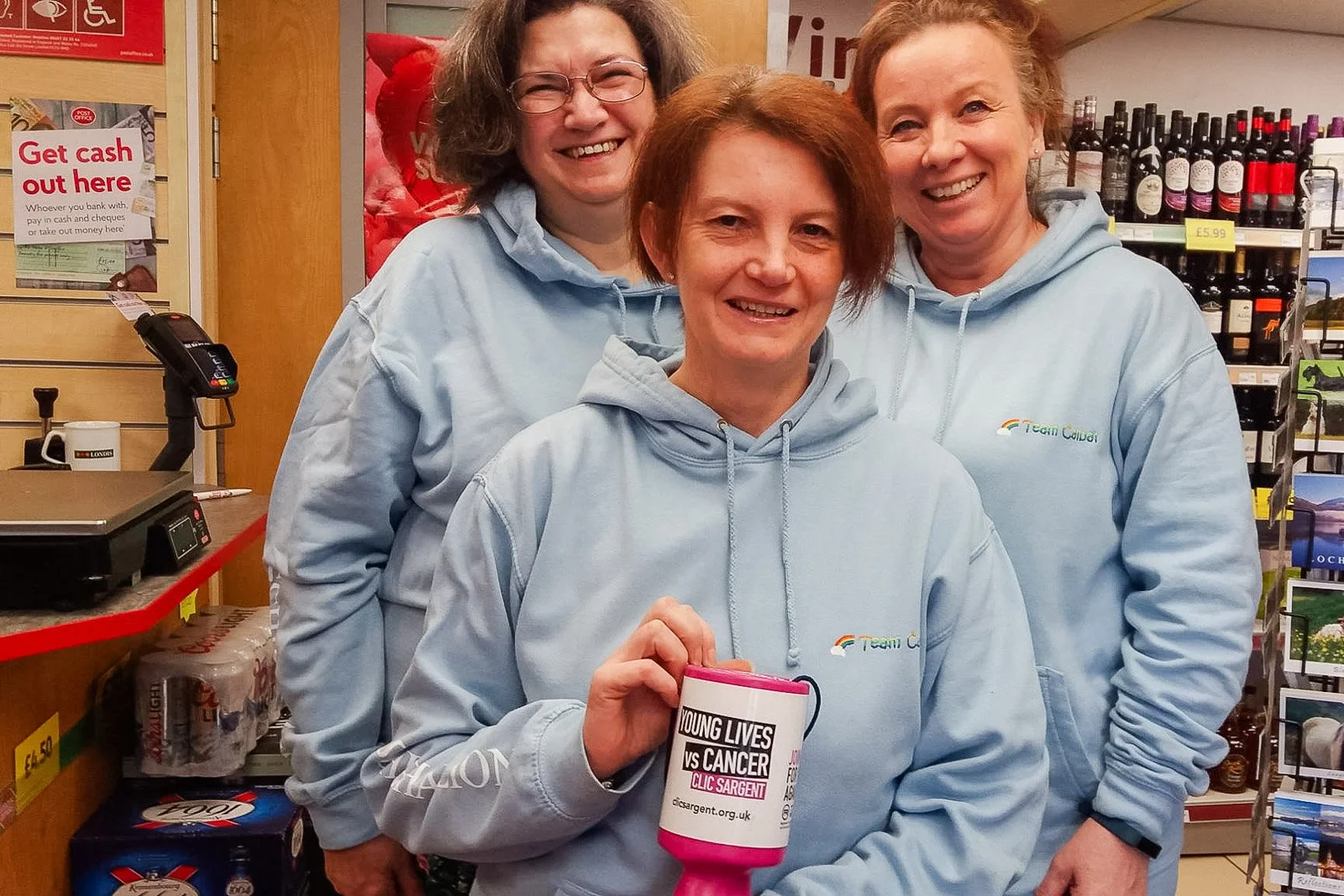
Staff fundraising for a cancer charity (2009)
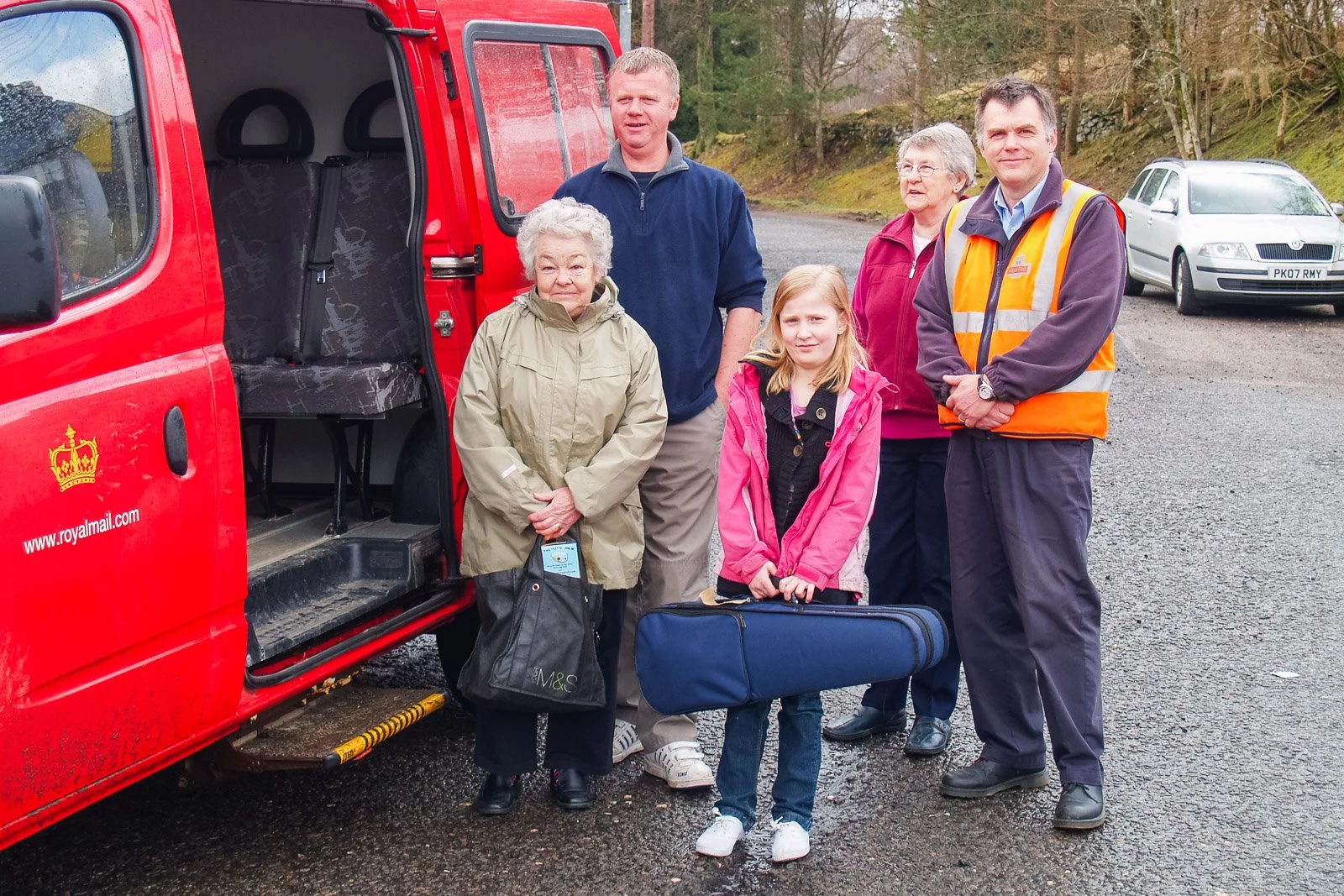
Last ever post bus run (2010)
Helping one another
Donald remembers neighbours offering food and accommodation after his house fire. Margaret recalls people helping each other during Covid, while Rebecca describes getting to know Crianlarich through the village shop.
Work and social life have changed, but these accounts show how people continue to make time for one another.
Thank you to everyone who shared their stories about community life in Crianlarich, Tyndrum and Killin.
The social fabric
The village hall was the centre of local life for Billy Ronald growing up in Crianlarich; there was something every night of the week.
I went swimming, fishing, metal detecting, climbing trees. Very much the outdoors. Oh yeah, you're outdoors all the time. Football, played football.
There was clubs in the village hall every night. There was badminton on Monday night, there were bowls on Tuesday night. There was kids' badminton on a Saturday afternoon. And there was boys' brigade on a Thursday, I think. And there was youth club on a Friday. There was something to do every night. Yeah.