
Tyndrum
Tyndrum stands at an important crossroads in the Scottish Highlands, where the road to Oban branches from the road to Fort William. With two railway stations serving separate routes north and west, and the West Highland Way passing through, the village welcomes people from across the world.
As Sarah Heward, who runs a café in the village, puts it: “If you look at it on the map, it's a funnel, a junction. There's a strip of road about five miles long where, at either end, it forks.”
For those passing through, Tyndrum is a familiar stopping place. For those who live here, it is a community shaped by railway work, mining, farming and hospitality. Their memories reveal the everyday life of the village, from rival railway families to journeys to school by train.
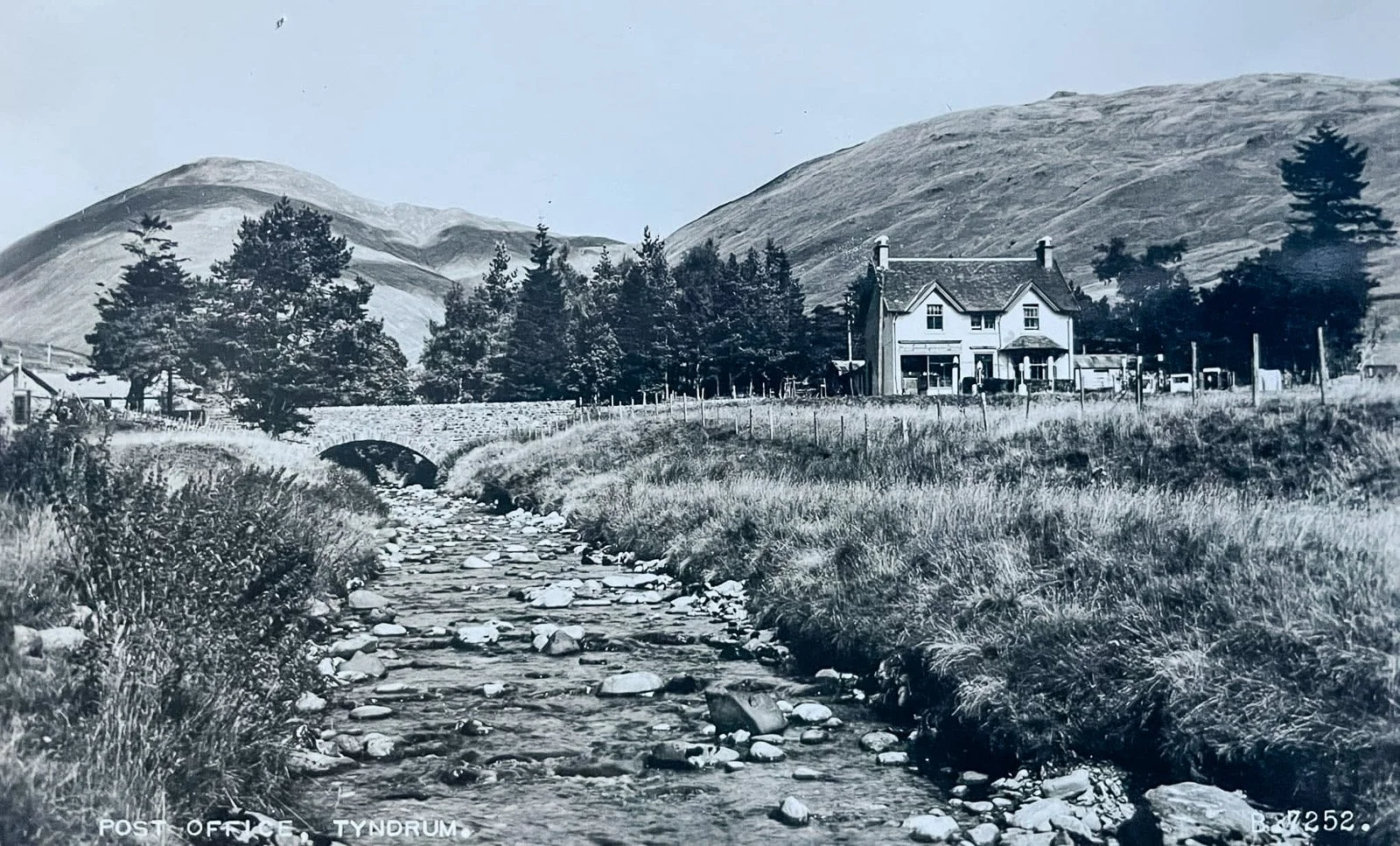
Post Office, Tyndrum (Callander Heritage)
Working the land
Drovers once moved cattle through these glens, and generations have farmed and grazed the surrounding land. Mining is also part of Tyndrum’s history, from the old lead workings in the hills to the more recent development of the Cononish Gold Mine.
Gold panning has a more personal place in the stories gathered here. Rena Baillie, who ran the Strathfillan Wigwams for thirty years on the West Highland Way, remembers visitors returning to search for gold:
“And I had other ones who had made jewellery from the gold they found. One man was making it for all his grandchildren, so every time there was a new grandchild, he had to get more gold.”
A railway village
The railway brought jobs, homes and new families to Tyndrum. Alan MacLennan, whose family has deep roots here, recalls:
“My great-grandparents came to work on the railway, like so many others. We had two railways here then, and the vast majority of the village worked for them. The houses up the road where I live were built for railway workers, as were the Brick Row cottages and other wee buildings along the line. There was great rivalry between the Cali and the NB, right down to the kids playing football against each other.”
The “Cali” and “NB” were the Caledonian and North British railway companies. Their rivalry became part of village life, remembered long after the companies themselves had gone.
Catherine Macmillan also remembers a community where railway work connected almost every household. At the time of her interview, her husband had recently retired:
“He's the last railwayman from the actual village, which is incredible because we were basically a railway village. It shows how everything has changed.”
For Elizabeth MacLellan, who has lived in Tyndrum all her life, the train was also the way to school in Callander. Her memories include a small shop with a post office, a Royal Hotel busy with coach tours, and a church that brought people together.
A place to gather - The Artisan Café
Slide across the pictures to that the former church has retained its charecter after being transformed into a Café
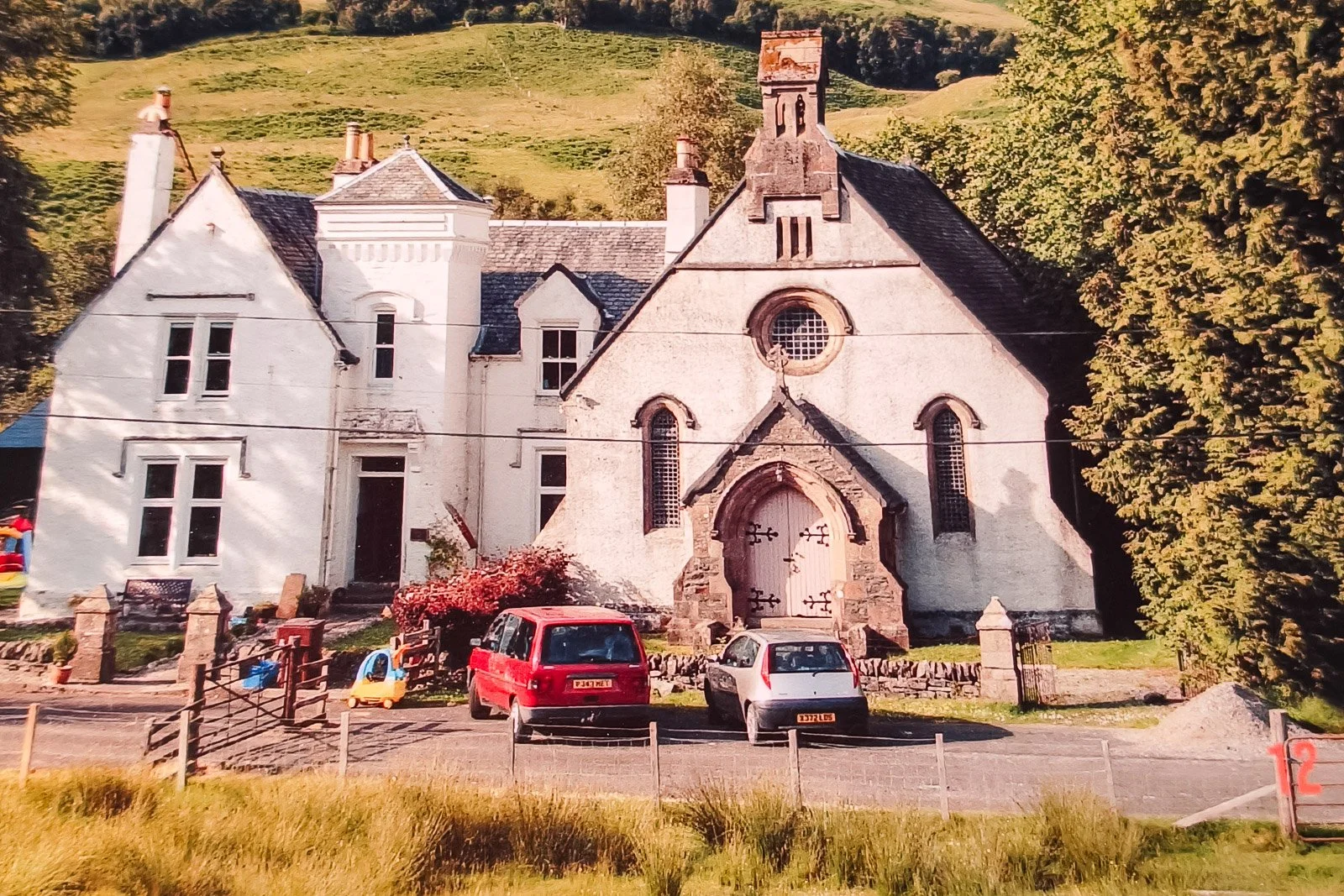
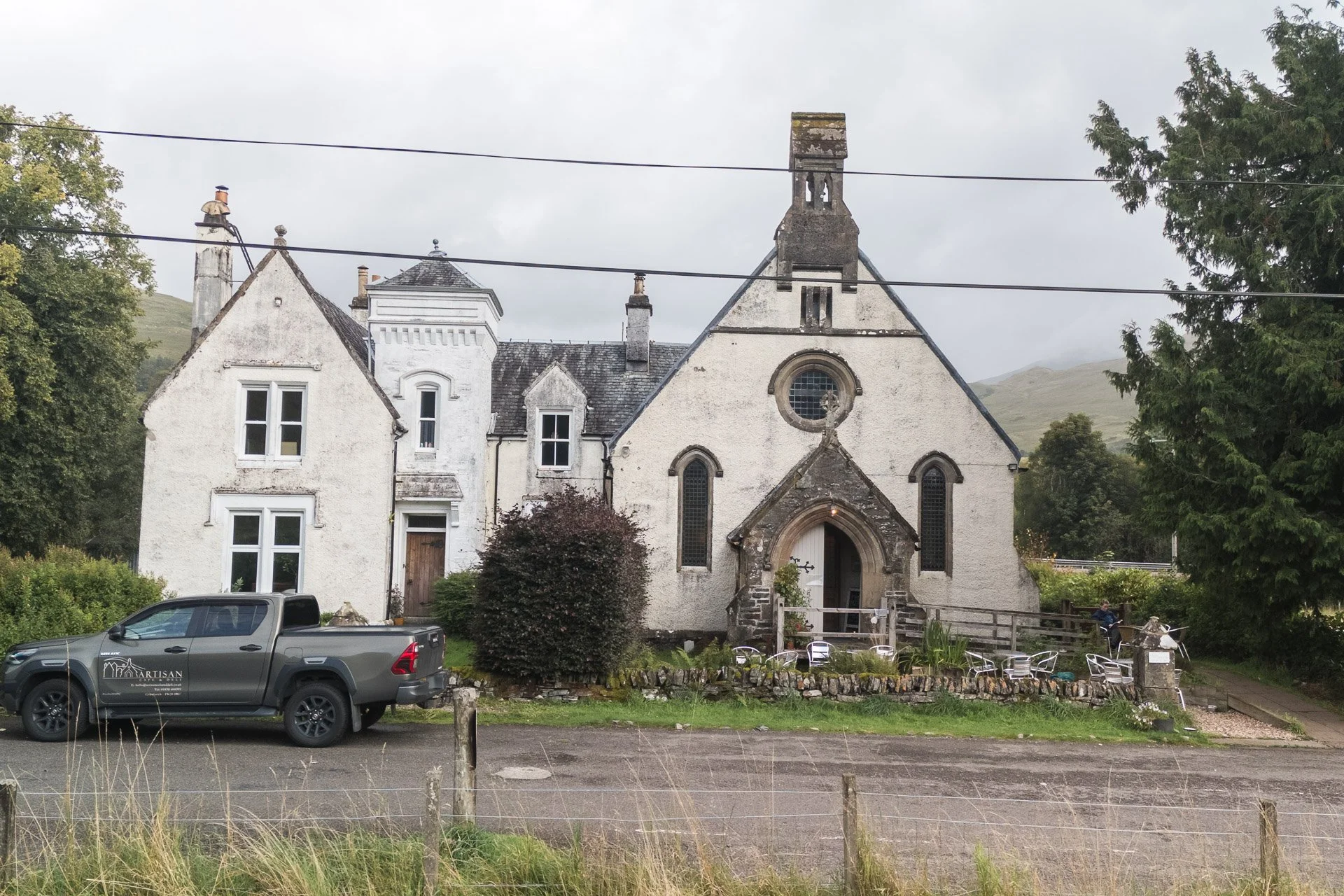
The loss of the local church was deeply felt by Elizabeth, who had served as an elder:
“I was an elder of the church, and that was quite sad because it was a beautiful, big church. Weddings were held here, funerals, my husband's funeral was held here. And now we've no church at all.”
The former church later became the Artisan Café. Diane Mailer, who along with her husband Jum converted the building and ran it as a café for around eight years, explains what mattered to her:
“The café side of it was almost secondary. The main driver was that we had this great opportunity. We had the building. And it was just to kind of maintain that building. It's a lovely old building. People do enjoy coming in, sitting in the space.”
Innes MacLellann, who grew up in Inveroran and has worked at the café, remembers visitors’ surprise at finding it. Their reactions prompted a reminder that places which seem remote to visitors are home to established communities:
“But obviously there is a community here, several communities, which people who maybe haven't been here before don't realise.”
Welcoming visitors, supporting the community
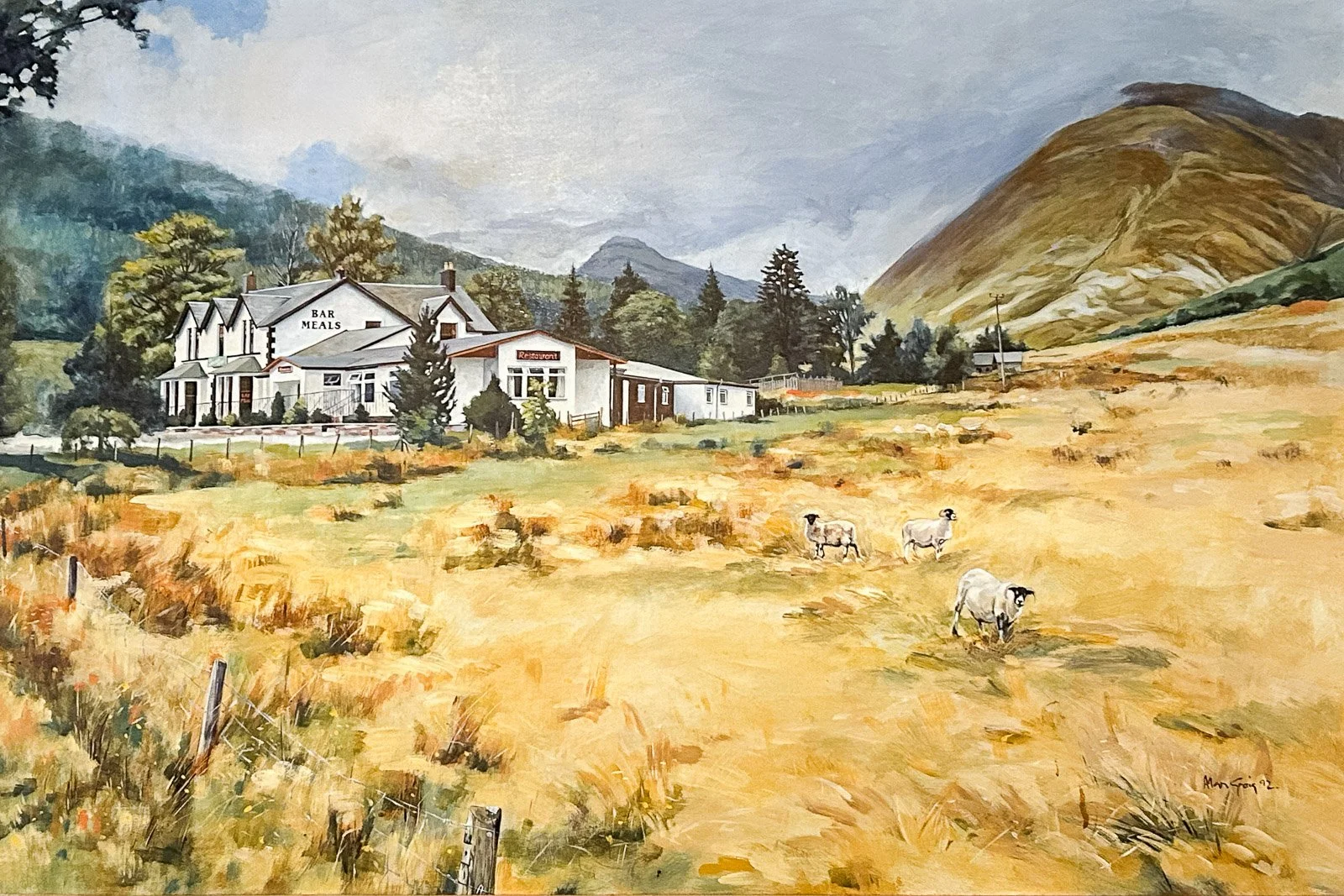
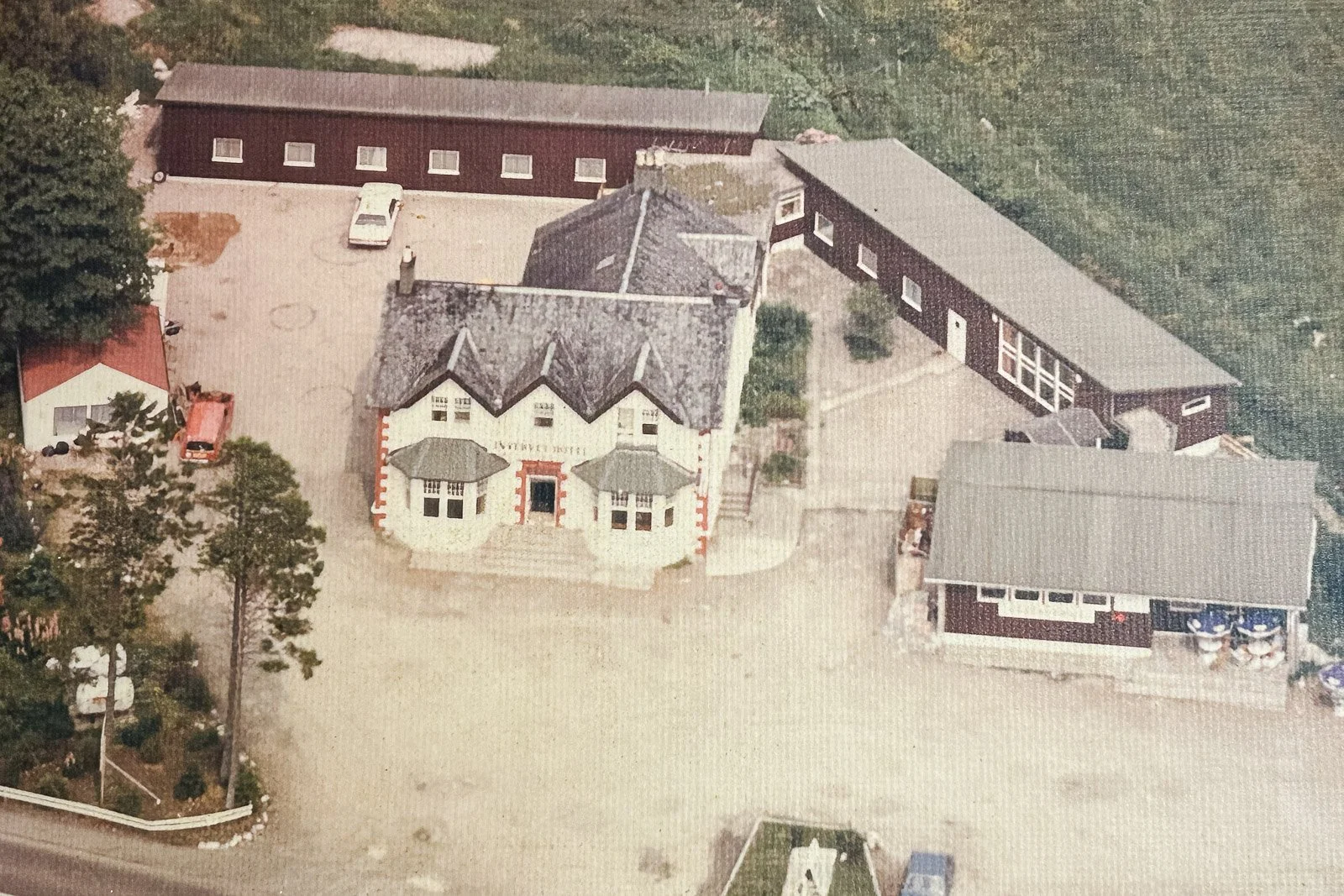
Hotels and cafés have provided both a welcome for travellers and employment for local people. John Riley and his wife, Barbara, arrived in Tyndrum in June 1982 after his career in the metals industry came to an unexpected end. With no previous experience in the hotel trade, they took over the Invervey Inn, now the Tyndrum Inn, and initially lived in two of its bedrooms.
While many local hotels closed for the winter, John and Barbara stayed open throughout the year. They retained their staff and built a close-knit, experienced team, running the hotel for almost twenty years before selling it in 2001.
John and Barbara later joined several former employees as partners in the Rod and Reel pub in Crianlarich. John also served as Chairman of both Strathfillan Community Council and the Strathfillan Community Development Trust, helping to secure funding for housing, community woodland and local play facilities.
A community in the middle of everything
The stories gathered here show how people have made their homes, earned their living and supported one another in Tyndrum. They also record the changes residents have witnessed, preserving memories that might otherwise be lost.
If you have a connection to Tyndrum and a memory to share, we would love to hear from you.