
An overview of the Villages
Tyndrum, Crianlarich and Killin are each distinct places with their own character, their own landmarks and their own sense of identity. Yet they are part of the same landscape, shaped by the same forces, and connected by the same long story of how people have lived alongside, and worked within, this particular stretch of the Scottish Highlands. Together, they form the area covered by Stories of the Land.
Tyndrum
Where the roads to Oban and Fort William divide, Tyndrum has long welcomed travellers. Its two railway stations, mining history and hotels and cafés feature in residents’ memories, alongside stories of railway families, local businesses and community projects. 🔗 Read more
Crianlarich
The railway transformed Crianlarich, bringing workers and their families to the village. Residents recall railway houses, the station tearoom, schooldays and evenings in the village hall. Their stories also describe changes on neighbouring farms and hillsides, and the friendships that make people feel at home here. 🔗 Read more
Killin
Beside the Falls of Dochart at the western end of Loch Tay, Killin’s history includes estate life, hill farming, Gaelic culture and journeys by rail and steamer. Local memories bring that history to life through cattle moving to market, sheepdog trials, village dances and families working the land across generations. 🔗 Read more
Across the three villages, people share memories of working on the land, travelling by train, growing up and taking part in community life. Their accounts describe how farming, forestry and tourism have changed each place, and what living here has meant to different generations.
The Class of 2026 - Primary School Projects
We find out what young people think of living in these rural communities
-
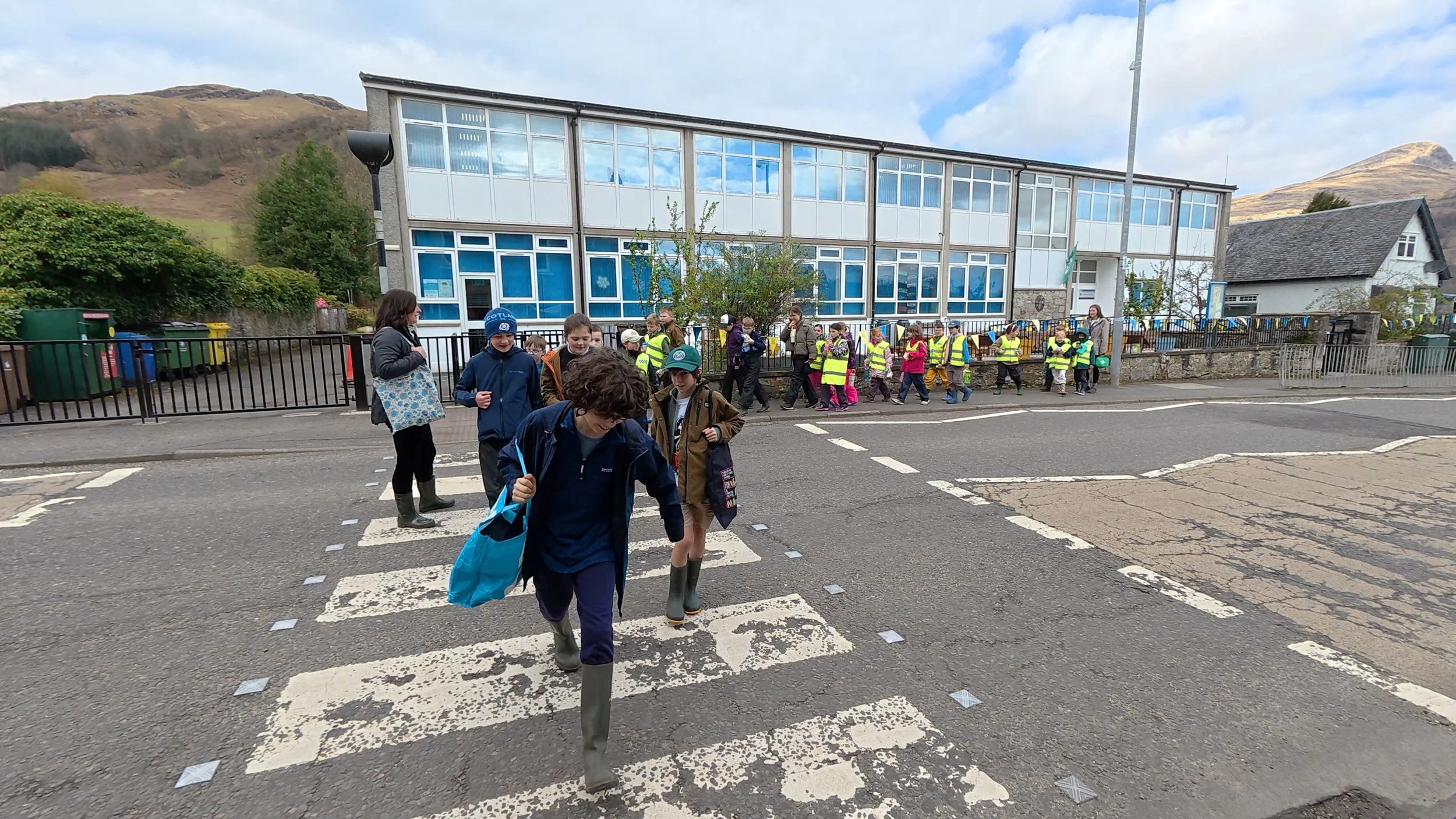
Killin Primary School
We join a field trip to the Head of Loch Tay, where the pupils share their inspiration for the landscapes.
-
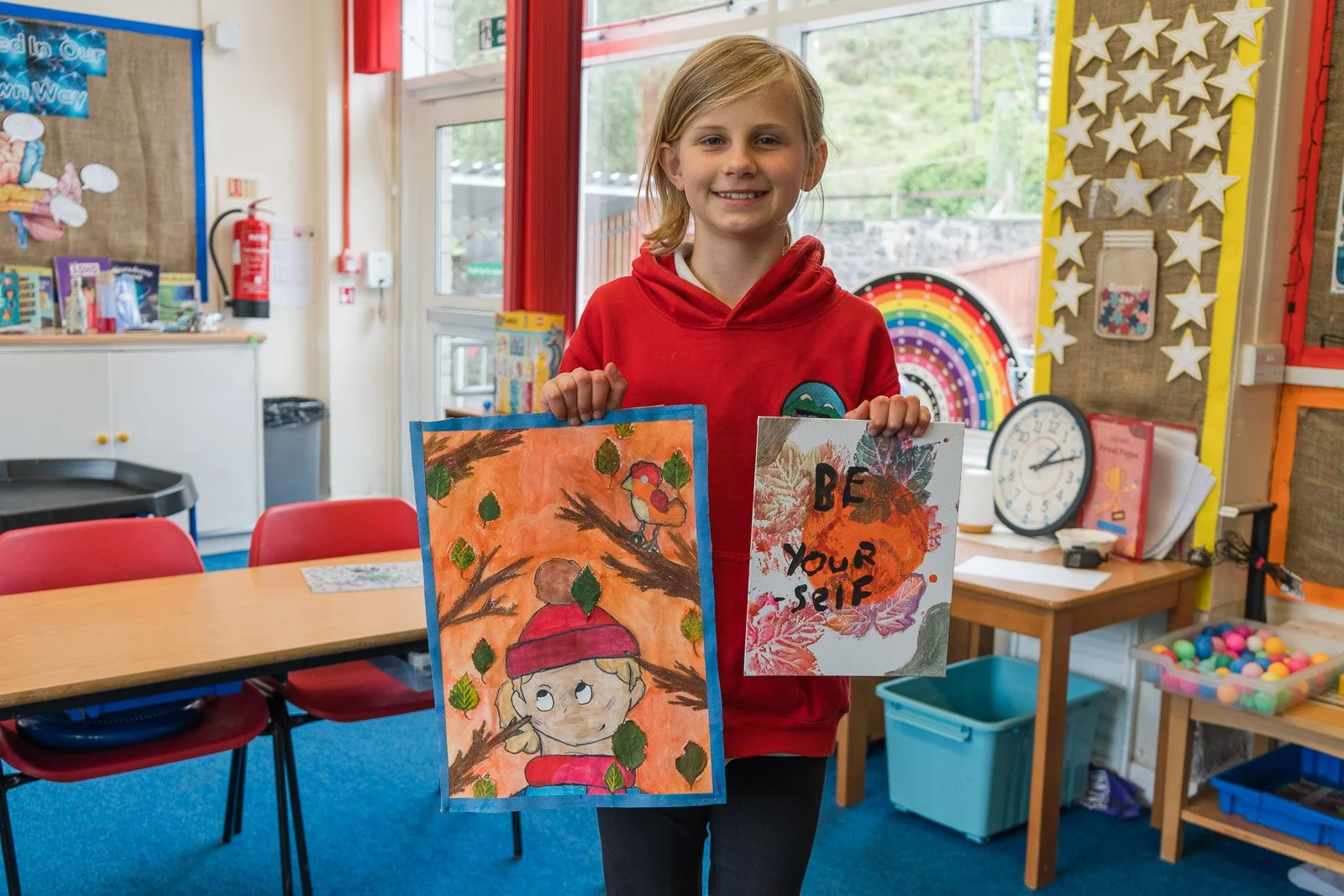
Crianlarich Primary School
We join the pupils on a mountain path close to their school to find out what they think of the land around them.