
Stories of the Land - Interviews
The Stories of the Land audio archive is built around the voices of people with deep connections to Strathfillan and Killin. Farmers, railway workers, artists, business owners, estate workers, conservationists and lifelong residents share memories, experiences and perspectives that together create a rich portrait of life in these communities over the past century and earlier.
Some contributors were born and raised here, while others arrived later and built their lives within the landscape. Collectively, their stories explore Railways, Heritage, Farming, Forestry, Tourism, Community and Mining; they capture both the dramatic changes that have shaped the area and the enduring connections people feel to it.
Contributors
Jimmy Allardice
Jimmy Allardice worked on the West Highland Railway from the early 1970s, first in permanent way maintenance before transferring into signalling. He later worked across signal boxes from Crianlarich to Tulloch and beyond. His contributions provide a detailed account of railway operations, freight traffic, signalling culture and the deep sense of pride and identity associated with working on the West Highland Line.
Rena Baillie
Rena Baillie moved to the Tyndrum area in 1988 when her husband took on a farm manager role nearby. She later established the successful Strathfillan Wigwams business beside the West Highland Way, welcoming walkers and travellers for more than thirty years. Her stories explore tourism, gold panning, rural business development and the changing visitor economy in Strathfillan.
Margaretanne Browne
Margaretanne Browne became involved in community projects in Crianlarich after moving to the village, helping with local improvement initiatives including the community garden, old railway yard and village maintenance. Her contribution reflects the importance of volunteering and local pride in maintaining community spaces within Strathfillan.
Alec & Jeanette Buchan
Alec and Jeanette Buchan farmed at Glen Falloch after taking on the tenancy in 1974, having previously farmed in Inversnaid and the Borders. Over more than five decades in the area, they became deeply involved in community life, helping organise fundraising events, clay pigeon shooting clubs and local gatherings. Their memories reflect changing farming life, the arrival of the West Highland Way, and the strong social connections that once tied rural communities together.
John Burton
John Burton farmed at Cononish Farm near Tyndrum for all of his working life, raising sheep and cattle in one of the area’s most isolated glens. His interviews explore traditional hill farming, livestock transport by rail, forestry expansion, changes to rural employment and the long history of the Cononish gold mine, which sits on his land. He offers a rare first-hand perspective on the dramatic transformation of land use, transport and community life across Strathfillan during the twentieth century.
Stuart Christie
Stuart Christie is a hill farmer from Glendochart whose family has worked the land for generations. His contributions focus on the realities of modern sheep farming, the collapse of traditional neighbouring systems between farms, and the gradual decline in population and social life within Highland glens. He also reflects on dances, ceilidhs and the once-thriving social scene that connected farming communities across the district.
Jamie Elliot
Jamie Elliott entered forestry work after leaving school and witnessed the industry’s shift from chainsaws to large harvesting machines. His contributions explore how mechanisation changed employment opportunities and how forestry expansion affected farming communities. Drawing on his father’s working life as a shepherd, he also reflects on managing larger areas with fewer workers and the changing relationship between people, livestock and the hills.
Peter Henderson
Peter Henderson travelled daily by train from Crianlarich to McLaren High School in Callander before later working on the railway himself. His memories capture the era of steam engines, signal boxes and overnight royal train visits, offering insight into the importance of the railway to education, employment and everyday life across the Highlands.
John Holland
Dr John Holland is a research scientist based at SRUC’s Hill and Mountain Research Centre at Kirkton and Auchtertyre Farm in Strathfillan, where he has worked for more than thirty years. His contributions explore the history of hill farming, changing agricultural practices, biodiversity, woodland creation and the long human history of the glen, including St Fillan, shieling settlements and historic sheep farming records dating back to the nineteenth century.
Sarah Heward
Sarah Heward is the founder of the Real Food Café in Tyndrum, a business established in 2005 that has become closely associated with the West Highland Way and outdoor tourism in Scotland. Her interviews discuss Tyndrum’s role as a travel hub, the changing nature of rural tourism, endurance sports, housing pressures, land ownership and the impact of the National Park. She also reflects on community infrastructure projects, including helping establish a Changing Places facility in the village.
Elizabeth MacLellan
Elizabeth MacLellan has lived in Tyndrum all her life and recalls childhood during the Second World War, growing up without electricity, travelling to school by train and working in local businesses, including the Royal Hotel and village post office. Her memories span wartime life, railway journeys, church closures and changing village life, while also preserving stories connected to wartime aircraft crashes and local shepherds.
Innes MacLellan
Innes MacLellan is an artist based in Strathfillan and a graduate of Gray’s School of Art in Aberdeen. Working across painting, drawing, printmaking and photography, his practice is shaped by a lifelong familiarity with the landscapes of the Scottish Highlands. His contributions explore contemporary rural life, artistic practice and the relationship between people, place and the natural environment.
Alan MacLennan
Alan MacLennan grew up surrounded by the railway heritage of Crianlarich, where generations of his family worked for the North British Railway. He later worked on the Loch Dochart Estate as a gardener and estate worker. His stories capture the railway village atmosphere of earlier decades, the rivalry between railway companies, and the hard physical work undertaken by both men and women within rural Highland communities.
Catherine Macmillan
Catherine Macmillan grew up in Crianlarich at a time when the railway dominated village life and employment. Her memories reflect the close-knit atmosphere created by the railway community, changes brought by automation and declining local jobs, and the importance of tourism and local businesses such as the Green Welly Stop. She also recalls life growing up in a busy Highland village where work, visitors and community life were closely connected.
Diane Mailer
Diane Mailer and her husband Jim restored the former church in Tyndrum and transformed it into what became the Artisan Café, preserving one of the area’s most important historic buildings while creating a community and creative space. Diane speaks about heritage conservation, tourism, changing outdoor culture, environmental land management and the social history of Strathfillan, alongside memories gathered from former residents and ministers connected with the church and manse.
Duncan McNab
Duncan McNab has long been connected with Killin and the preservation of Highland rural heritage through his involvement with Moirlanich Longhouse, one of Scotland’s best-preserved traditional thatched longhouses. His contributions reflect memories of community life in Killin and Glen Lochay, changing transport and shopping habits, and stories connected to Tom Proctor, the longhouse’s last resident and a well-known local character remembered for his storytelling, fishing and larger-than-life personality. Duncan also reflects on the enduring strength of community spirit in Killin and the importance of preserving the social history and traditions of the area.
Emma Paterson
Emma Paterson speaks about Auchlyne Estate, which has been in her family since the late nineteenth century. Her interviews explore estate life, Highland cattle, farming, sporting history and land management, alongside stories of Maharaja Duleep Singh, television filming and changing relationships between estates, tourism and local communities. She also reflects on how outdoor access and tourism have evolved in recent decades.
John Riley
John Riley has been heavily involved in community life and local campaigning within Tyndrum and Strathfillan, particularly around the development of the Cononish gold mine and wider community projects. His interviews discuss the planning battles surrounding the mine, hopes for community benefit, tourism ideas such as a gold interpretation centre, and the wider challenge of helping rural communities survive and grow.
Billy Ronald
Billy Ronald grew up in Crianlarich during a time when the village population was heavily shaped by farming and railway employment. His recollections include Gaelic-speaking railway workers, village social life, forestry change and the atmosphere of Crianlarich in the mid-twentieth century.
Fiona Robertson
Fiona Robertson is part of the family behind the well-known Green Welly Stop in Tyndrum, established after her grandparents purchased the original village store and petrol station in 1965. Her memories chart the growth of the business from a small roadside shop into one of Scotland’s best-known travel stops, alongside wider changes in tourism, transport, coach travel and outdoor recreation in the area. She also reflects on childhood life in Tyndrum and the village’s connections to mining and the West Highland Way.
Moira Robertson
Moira Robertson's parents moved to Crianlarich in 1970, when her father transferred from the railway in Hampshire to signalman here, and her mother became the Youth Hostel Warden. Her memories cover the old youth hostel, school journeys by train, hotel development, changing tourism patterns and the long-standing role of the railway within the village.
Dick Steven
Dick Steven worked and lived in the Strathfillan area from the late 1950s onwards and witnessed major changes to farming, forestry and transport. His contributions describe the decline of livestock transport by rail, the reduction in active farms following forestry planting, and changing patterns of employment and land use across Crianlarich and Tyndrum.
Margaret Taylor
Margaret Taylor grew up at Mid Lix near Killin during and after the Second World War. Her memories explore farming life, livestock markets, train journeys to school, evacuees during wartime and the social life created by Young Farmers clubs, dances and rural gatherings. Her stories preserve vivid recollections of everyday life in Highland Perthshire during the mid-twentieth century.
Rebecca Turner
Rebecca Turner moved to Crianlarich for the surrounding hills and outdoor lifestyle. Her contributions focus on hillwalking, changing landscapes, path erosion, forestry impacts and the importance of community within a modern Highland village. She also reflects on the support she received after illness and injury and the strong social connections that exist within Crianlarich today.
Thank you
We are deeply grateful to everyone who shared their memories and experiences as part of Stories of the Land. If you have a story about Strathfillan or Killin that you would like to share, we would love to hear from you.
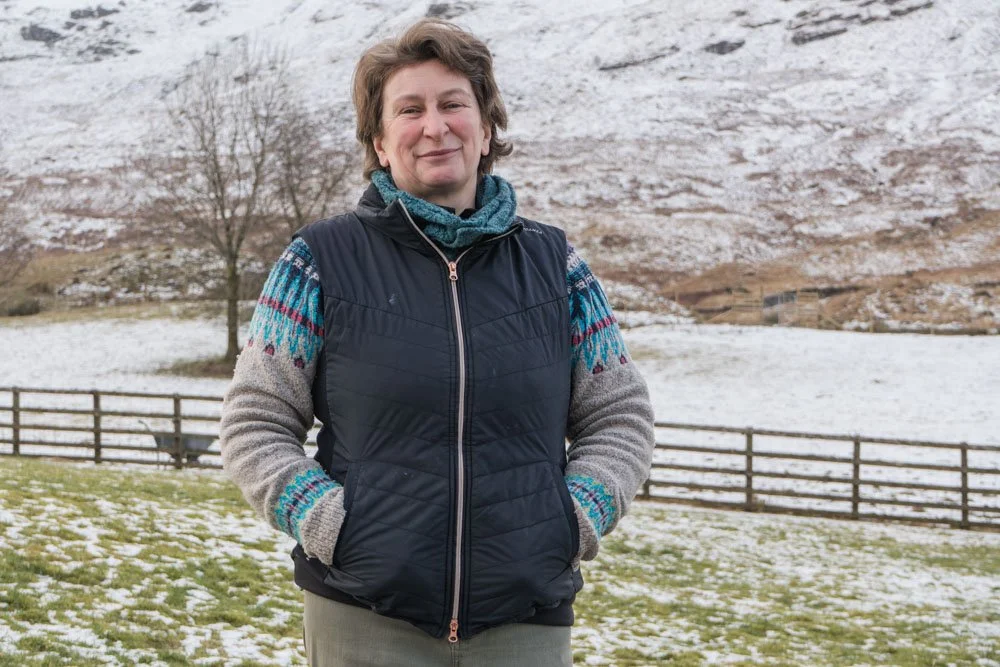
Diane Mailer
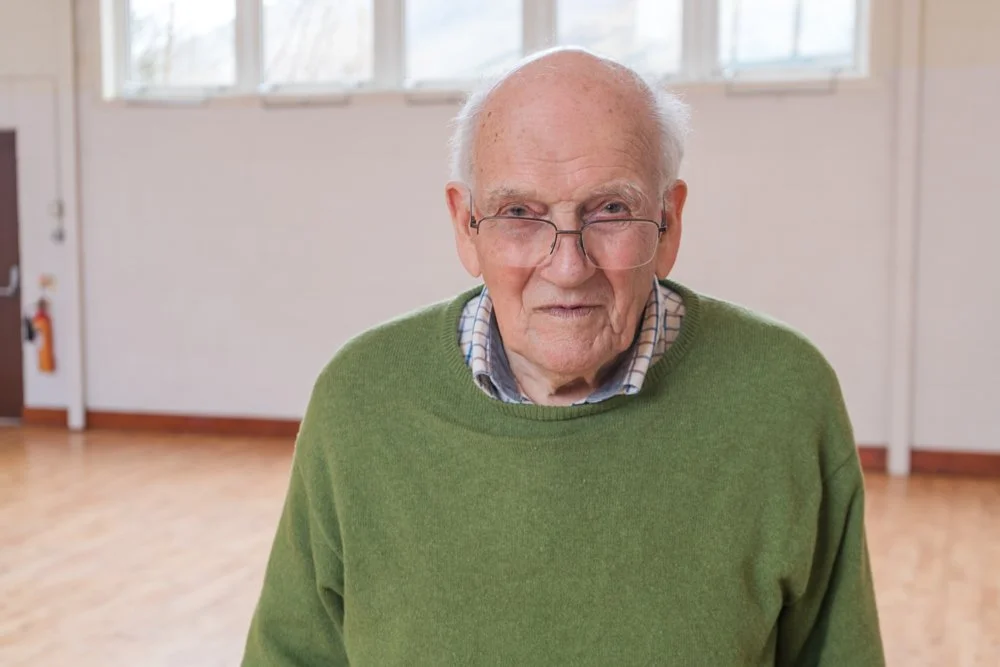
John Burton
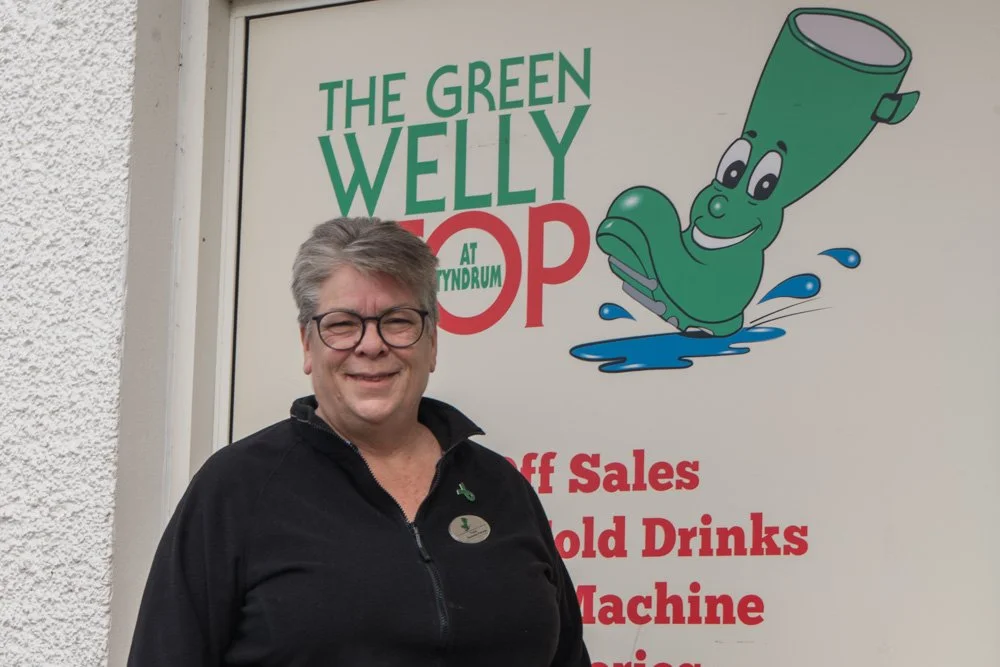
Fiona Robertson
Photographs Paul Saunders