
Heritage-themed Stories
Old buildings, farm diaries, family photographs and local memories tell us about the people who have lived and worked in Strathfillan and Killin. Some accounts reach back centuries; others recall people and places still remembered by those living here.
These stories include St Fillan, a sheep farmer who travelled across Europe, a Sikh maharaja who rented a Highland estate, and a church that became a café.
Discover Heritage Stories
John Holland from Kirkton Farm, Tyndrum, tells the story of Saint Fillan
Emma Paterson’s family owns Auchlyne Estate, which was once held by a maharaja
Diane Mailer, who, with her husband Jim, bought the old manse and church at Tyndrum, tells of people turning up at the door who once lived there
St Fillan and the origins of Strathfillan
Strathfillan takes its name from St Fillan, whose story combines religious history and legend. John Holland, who has worked at Kirkton Farm for more than thirty years, explores the accounts of the saint and the places associated with him.
The remains of St Fillan’s Priory and carved medieval grave slabs at Kirkton are among the surviving traces of religious life in the glen.
-
St. Fillan is the patron saint of Strathfillan, of course. It's so difficult to know the truth behind this. It's impossible. We don't know the truth behind it.
So there's lots of suggestions of who he was and where he came from, and that academics have looked at the cult of St. Fillan, and there's more than a dozen St. Fillan from all bits of Scotland, and all the stories get muddled up and intertwined over the years, and so it's really quite a very complex idea of who he was and what he did.
But saying that, there certainly was somebody here, a St. Fillan, and probably from 7th, 8th century time, it appears that he came from Ireland, and he set up a chapel somewhere here on the farm, probably over at Auchtertyre, and by what has then become the Holy Pool.
And over time, his stories and influence spread, and so there's an Augustinian Priory was established here, and that was funded in part by Robert the Bruce, who was a great fan of St. Fillan.
I mean, Robert the Bruce is several hundred years after St. Fillan was here, but there's a suggestion that Robert the Bruce took St. Fillan’s arm bone into the Battle of Bannockburn, and the arm bone was one of the relics of St. Fillan, and the reason the arm bone was prized, in a way, was that St. Fillan was supposed to have a luminous arm.
So there's a story about him using his arm to light a manuscript, and a monk saw what was happening, and the monk's eyes were pecked out by a tin crane. We don't have cranes anymore, so that's interesting. Anyway, there must have been a crane there at the time, pecked out his eyes, but St. Phyllen was able to miraculously restore the monk's eyesight.
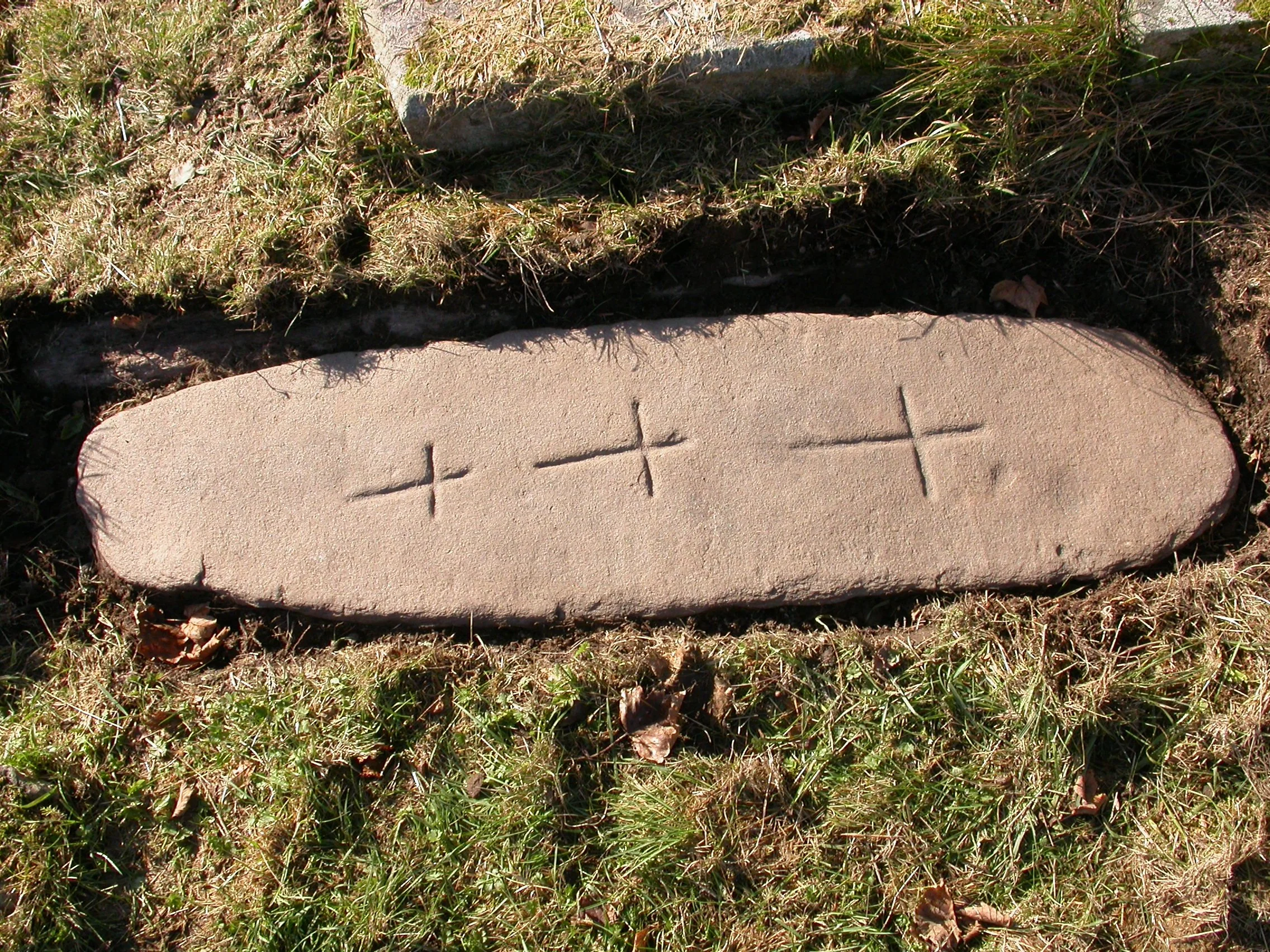
A medieval grave slab associated with St Fillan’s Priory.
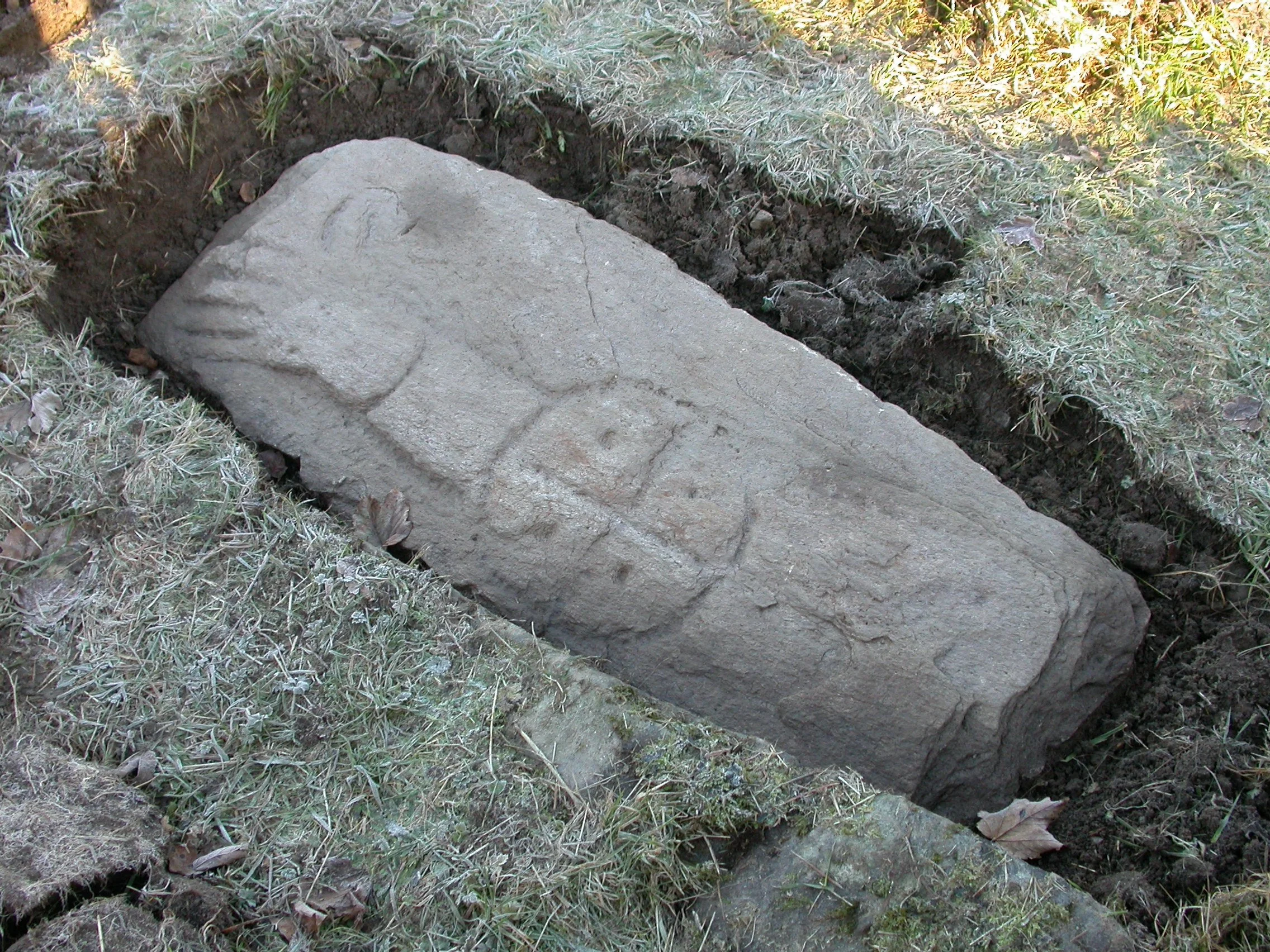
A carved medieval grave slab discovered at Kirkton.
A farmer’s diaries
Records at Kirkton Farm stretch back to 1869, when John Paterson arrived from Ayrshire to take on the tenancy. He became a respected sheep farmer, and his diaries record both his working life and journeys further afield.
-
So he came from Mauchline, I think, in Ayrshire, so it's down in Ayrshire. He came to Kirkton as the tenant in 1869. And he had, I think it was his second wife who came with him, and he had, I think, three children here. And he was quite a renowned sheep farmer, and interesting for his 25-year jubilee, the local shepherd community really presented him with a silver bull. You can see it there.
I don't know, not very good at saying it, but there's a fantastic thing that his peers presented him with because of the work that he'd done in the sheep farming industry. So, he was clearly a very good shepherd
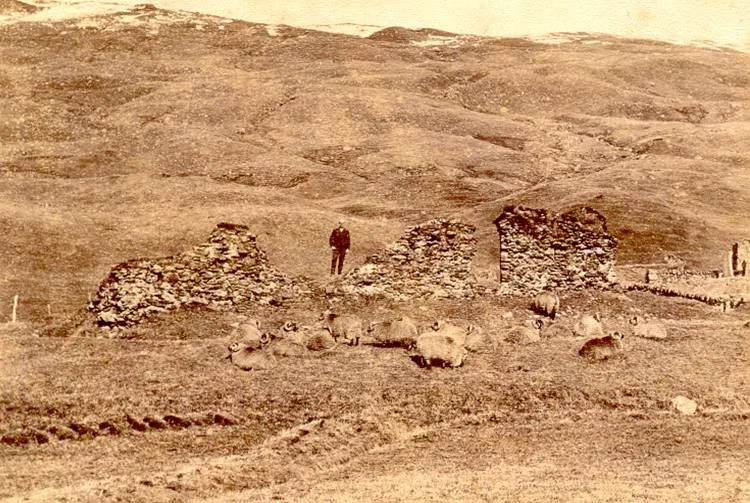
Kirkton Priory circa 1880 (Kirkton Farm)
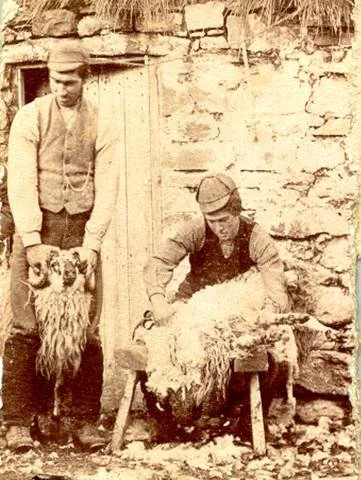
(Kirkton Farm
John Holland has used these diaries to learn more about him. In November 1904, Paterson left Tyndrum for a journey that took him to Naples, Rome, Florence, Lucerne, Paris and London. Alongside the farm records, these entries reveal his interests beyond the glen.
-
I find it fascinating that somebody from Tyndrum in 1904 could even, you know, go about traveling across Europe. And it just shows, and it must have taken quite a lot of planning to do. So he went to Naples, Rome, Florence, Lucerne, Basel, Paris, and London. And other places en route.
And it was John Paterson from Kirkton here, and he went with Joseph Stuart, who was from Tyndrum, and Robert Stuart, who was from Fortingall. So three of them who went. And, yeah, they left on the 30th of November, 1904. And first of all went down to London, and then their adventures began.
And he wrote everything down, you know, where he went, you know, when he went into just describing all the tour and created a lecture, which he typed out. And he almost certainly went around telling this story to all the local communities, I think.
You know, he's got a section here where he went to Portugal, and then he went to Naples. And he spent quite a few days in Naples. It must have been a popular place. But we went to Pompeii as well. And it's just fantastic to see what he did.
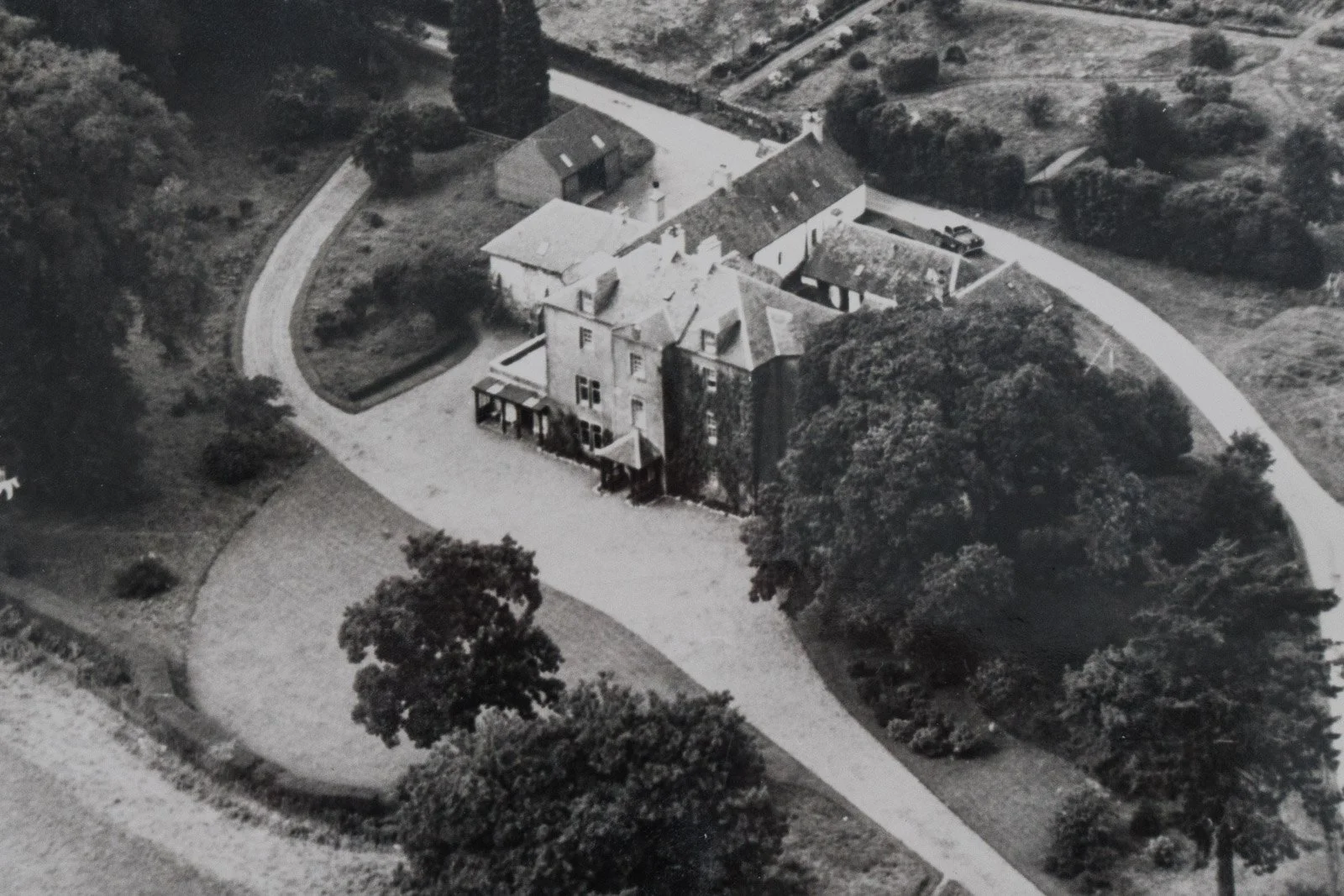
Auchlyne House (Emma Paterson)
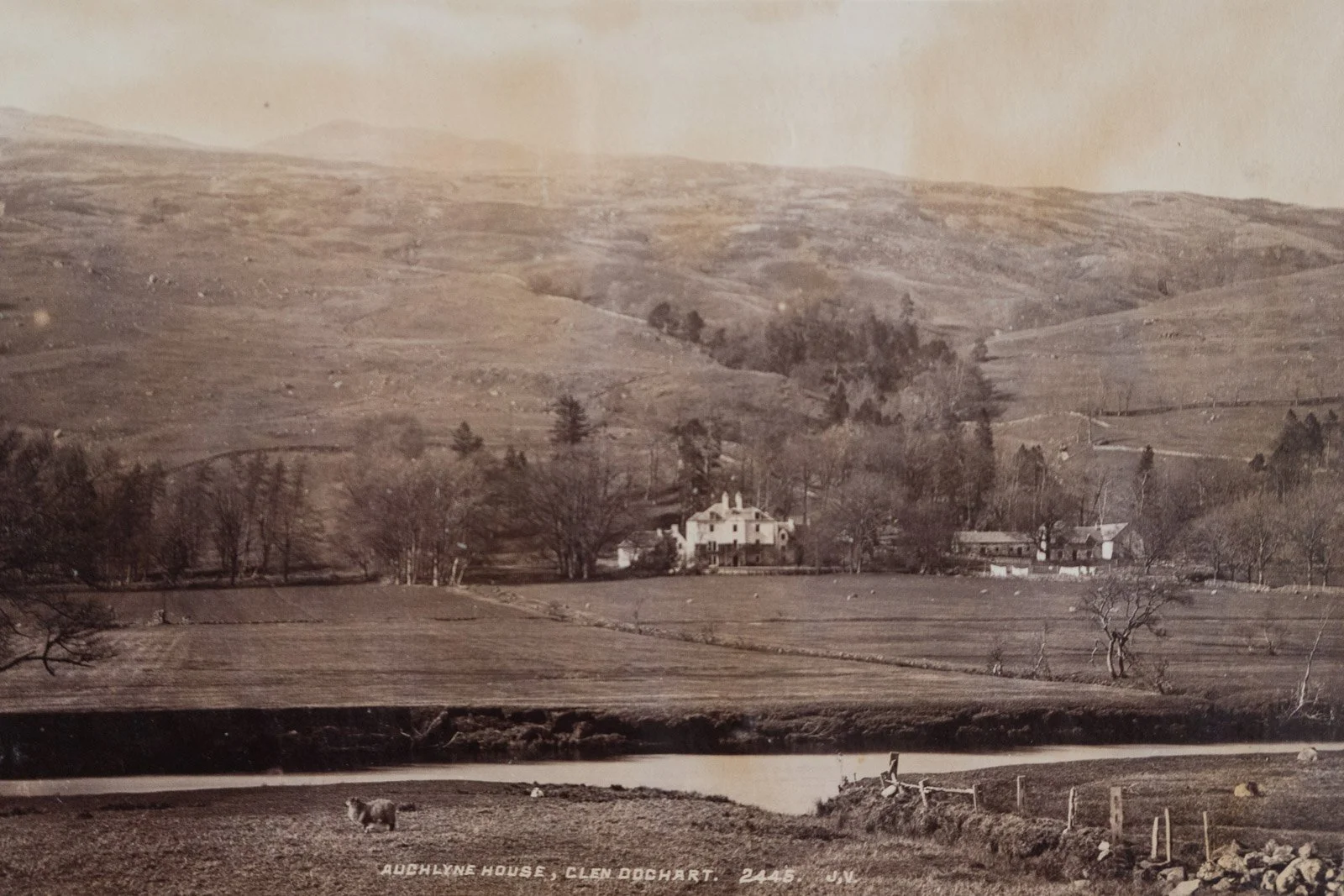
Auchlyne House from Glen Dochart (Emma Paterson)
An unexpected connection
Before Emma Paterson's family took the tenancy of Auchlyne Estate, it had been held briefly by a figure whose connection to this glen is one of its more surprising historical footnotes. Maharaja Duleep Singh, the Exiled Prince, came here for the grouse shooting and left a monument behind him in the churchyard at Killin. (Read more about this story below.)
-
Well, one of the tenants of Auchlyne Estate before my great-great-grandfather was Maharaja Duleep Singh, the Black Prince, and I think he rented it, I think only for a year, but he also is associated with Kenmore and Castle Menzies, and his infant son is buried at Kenmore Church, and there's a monument, or a small monument, in the old churchyard at the back of Killin Hotel, in memory of his secretary, who, I don't know what happened to him, but there's a statue in that graveyard.
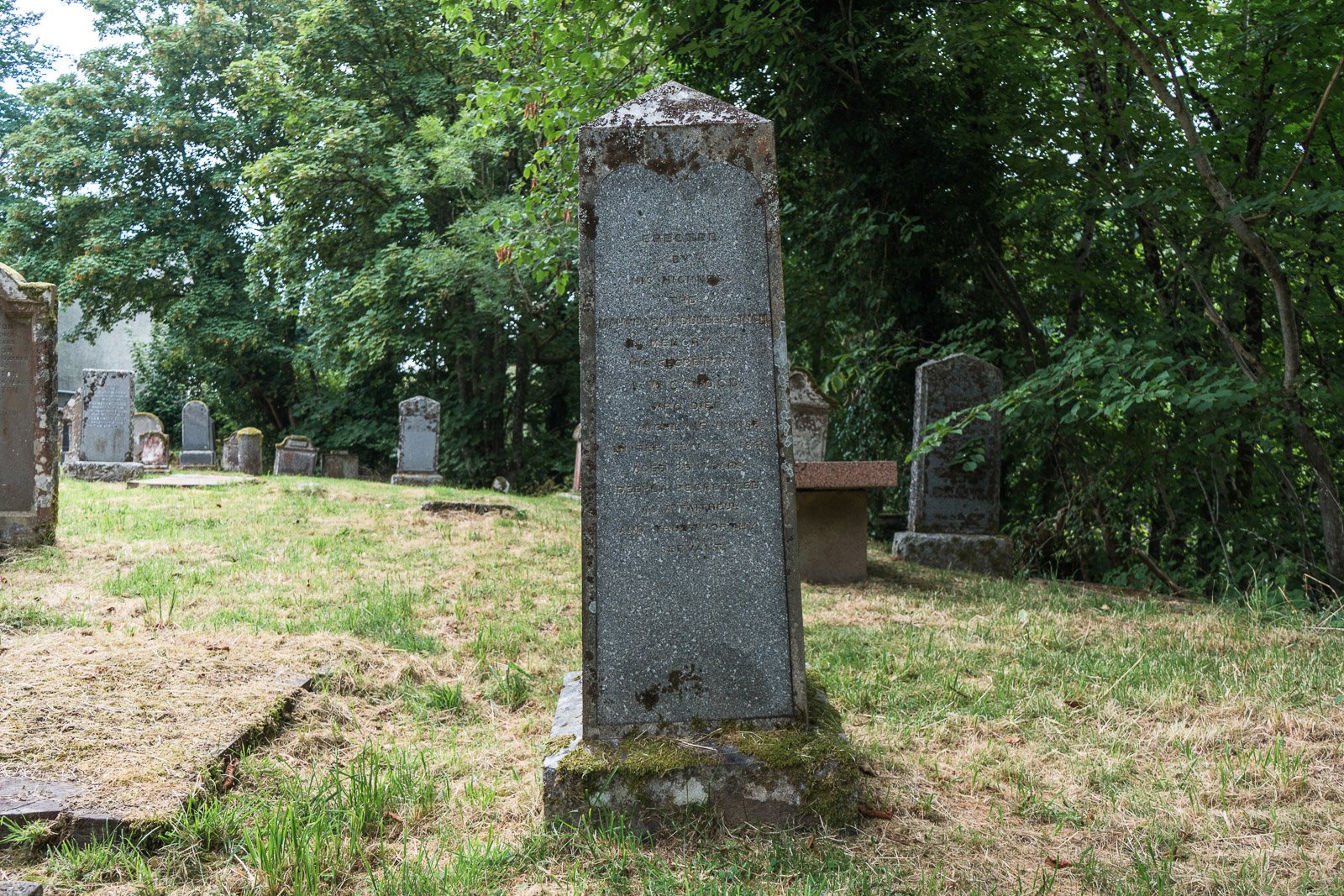
Statue to the secretary for Maharaja Duleep Singh, the Exiled Prince, Killin graveyard.
Maharaja Duleep Singh at Auchlyne
Auchlyne Estate has an unusual connection with the history of the Punjab. Before Emma Paterson’s family took the tenancy, Auchlyne House was rented by Maharaja Duleep Singh, the last Maharaja of the Sikh Empire.
Born in Lahore in 1838, Duleep Singh inherited the throne as a child. The British East India Company annexed the Punjab in 1849, removing him from power. The Koh-i-Noor diamond was surrendered under the terms imposed following the annexation and passed into British possession.
Under the guardianship of the Scottish surgeon Sir John Spencer Login, Duleep Singh was brought to Britain in 1854 and introduced to Queen Victoria. He later spent time at Castle Menzies near Aberfeldy before renting Auchlyne from the Earl of Breadalbane. Grouse shooting and other field sports were part of his life in Scotland.
A memorial in Killin churchyard records a personal connection with his household. It commemorates his secretary, J. W. Cawood, who died at Auchlyne House on 18 August 1861, aged twenty-nine. Erected by Duleep Singh, it describes Cawood as a “faithful and trustworthy servant”.
Emma’s account introduces this chapter in the estate’s history. The memorial remains a reminder of the young secretary who died here and the Maharaja whose household he served.
The Church at the Centre
Built around 1873, the former Strathfillan Parish Church (pictured above) forms part of an unusual Gothic Revival complex incorporating both a church and an adjoining manse. The five-bay church retains many original features, including pointed-arch windows, coloured glass, exposed timber roof trusses, wall panelling, a stone bellcote and its prominent timber pulpit. The adjoining manse provided accommodation for the minister, with a vestry connecting the two buildings internally.
Dedicated around 1880, the church served the scattered rural communities of Strathfillan before later congregational changes led to its closure as a place of worship in the late twentieth century.
Jim and Diane Mailer bought the old manse and church building at Tyndrum and have heard, over the years, from many people whose memories are tied to it. Category B listed, following planning approval in 2013, they sensitively renovated it, transforming the former worship space into the Artisan Café while preserving much of its distinctive ecclesiastical character.
-
When we lived next door in the manse as well, we often got folks chapping the door saying, “Oh, I used to live here. My father was a minister in the 1970s,” or, “I lived here as a child in the 1950s,” and they would tell you the stories of there weren’t many cars.
The church and the manse was on the old 82, so the road was literally in front of the door. So there was that kind of visual that you could imagine back in these days.
But also going further back, the link to the church was interesting. There are a few books out there about Breadalbane and how the church came to be. So it was, yeah, I mean, I’m not a history expert, but you got snippets.
So the Duchess of Breadalbane, it was her passion project. She had said something along the lines of she wanted to educate the people in the parish. And you could just imagine in the late 1800s where this was quite a spread-out population. Tyndrum wouldn’t have looked like it does now.
In Crianlarich as well, there would have been lots of agricultural workers and also railway workers living in between along the strath. And on a Sunday, the church would have been a focal point.
And the old coach house, seemingly they did have a pony and trap that would go up to the village of Tyndrum, and they would collect the elderly and bring them to the church on Sunday. But the young folks would walk, and they would walk two miles to the church in bare feet, and that would be their education.
They’d be there, and you can just imagine the minister with the congregation.
There was one elderly gentleman that appeared, and he did give me a very interesting book actually. If I can remember correctly, he was a junior minister in the Church of Scotland, and he stayed in the manse
So I think it would have been probably in the 1930s, maybe a wee bit of the 1940s, but he had great memories of living in the parish and working alongside the current minister then.
So there has been a series of ministers within living memory, so there were stories there. And of course, you would get local people that would have been married in the church, there would have been funerals.
And there were people that did come back and forward that did live in the manse, and they had stories of their childhood. It was quite a lot of information that did actually come our way.
And I did have a collection of pictures. I always meant to make a little book or a display from the point of view of the church and Strathfillan House, that sort of social history.
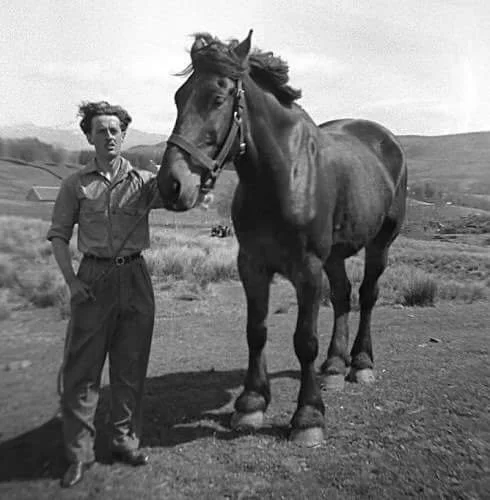
Donald MacLellan (mentioned below in a story by his wife, Elizabeth.
When the church closed in 2000, it was felt deeply by those who had worshipped there all their lives. Elizabeth MacLellan was an elder. Her husband’s funeral was held in that building. There is now no church within eighteen miles.
-
This church was closed in 2000, I think it was. I was an elder of the church and that was quite sad because it was a beautiful big church. Weddings were held here, funerals, my husband's funeral was held in here and that was a quite sad affair. And now we've no church at all because the one in Crianlarich was closed there about 18 months ago. So if we want to go to church we've got to go to Dalmally which is about another 18 miles away. So these are things that have happened, you know, that's sad in a way that we've lost a church.
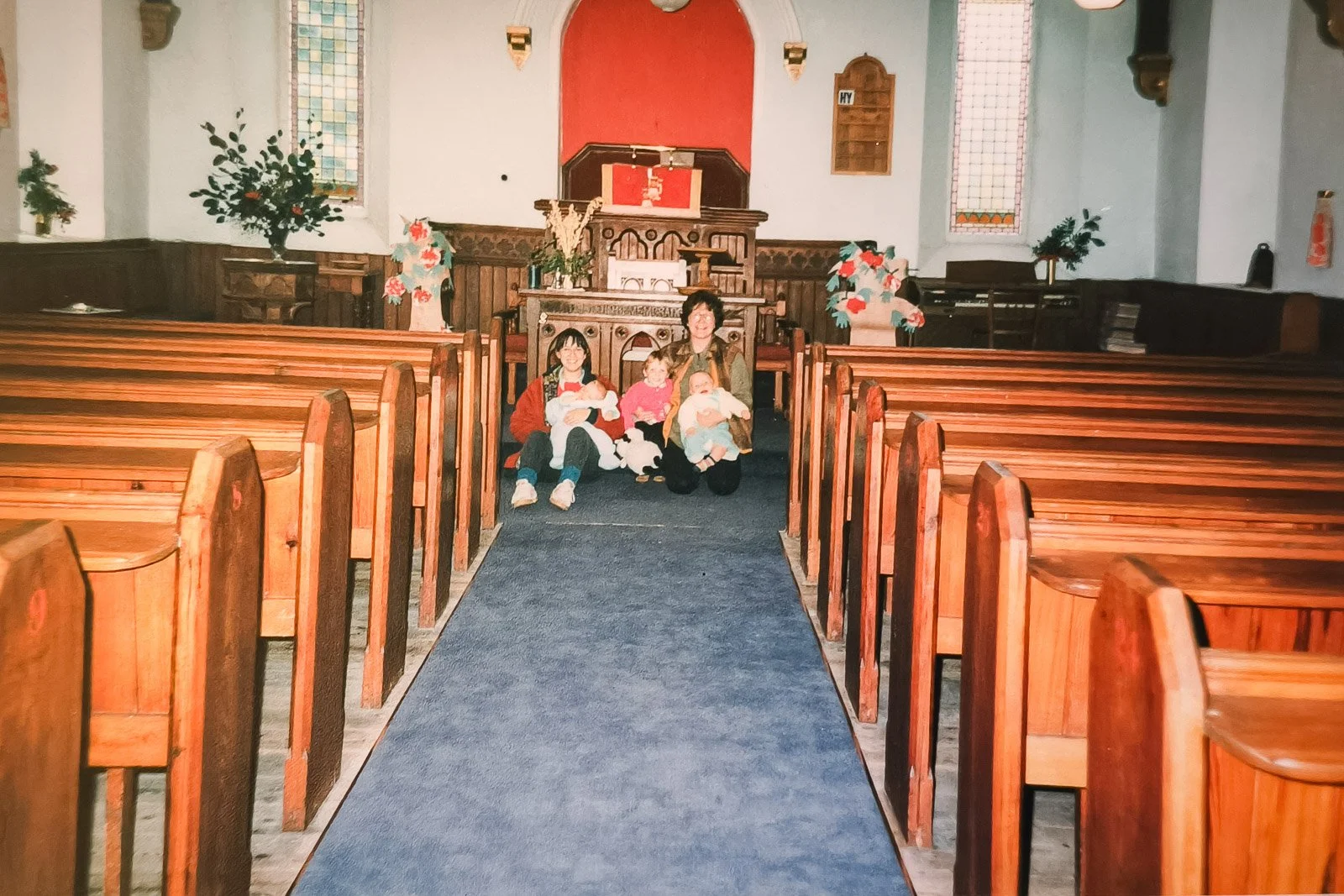
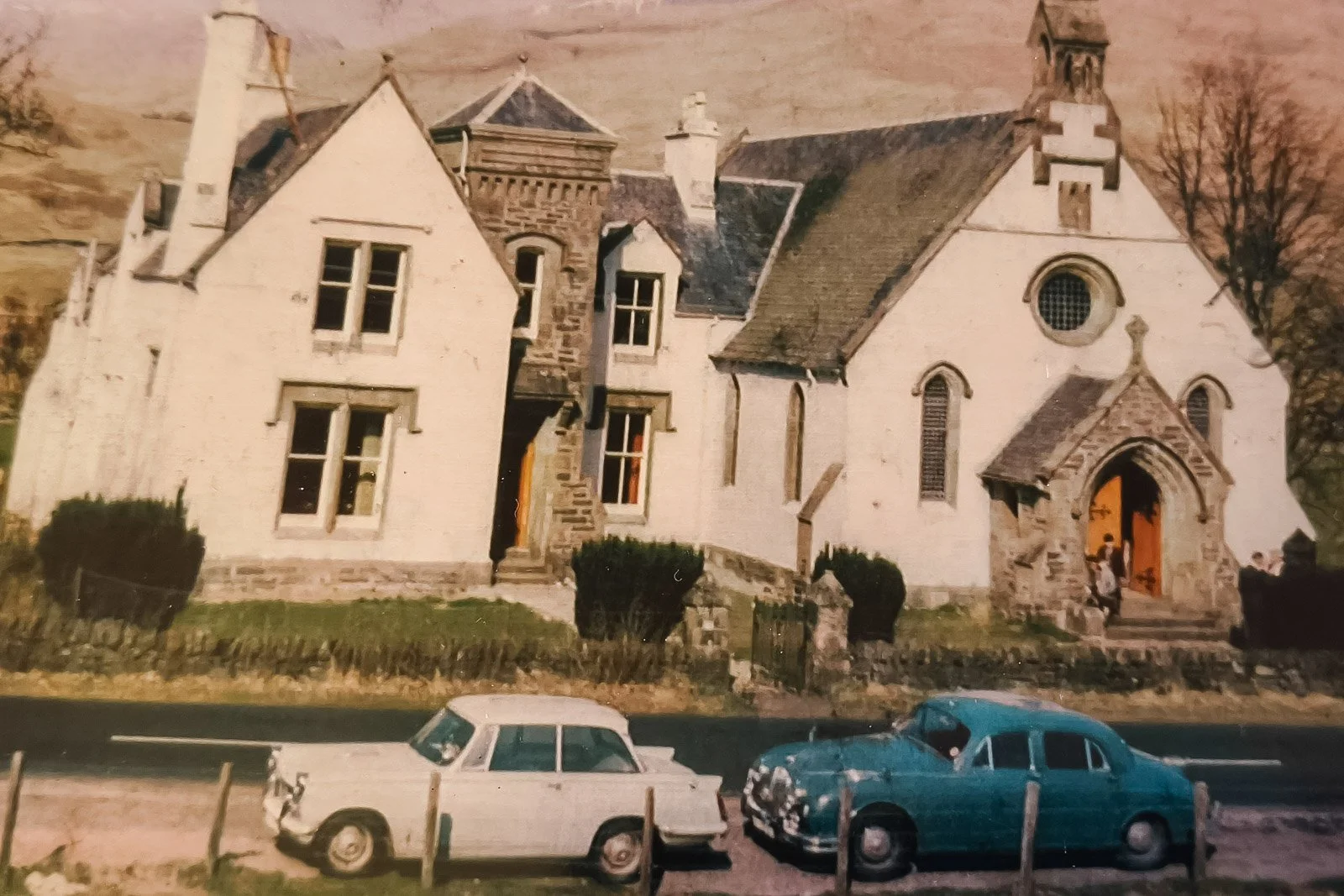
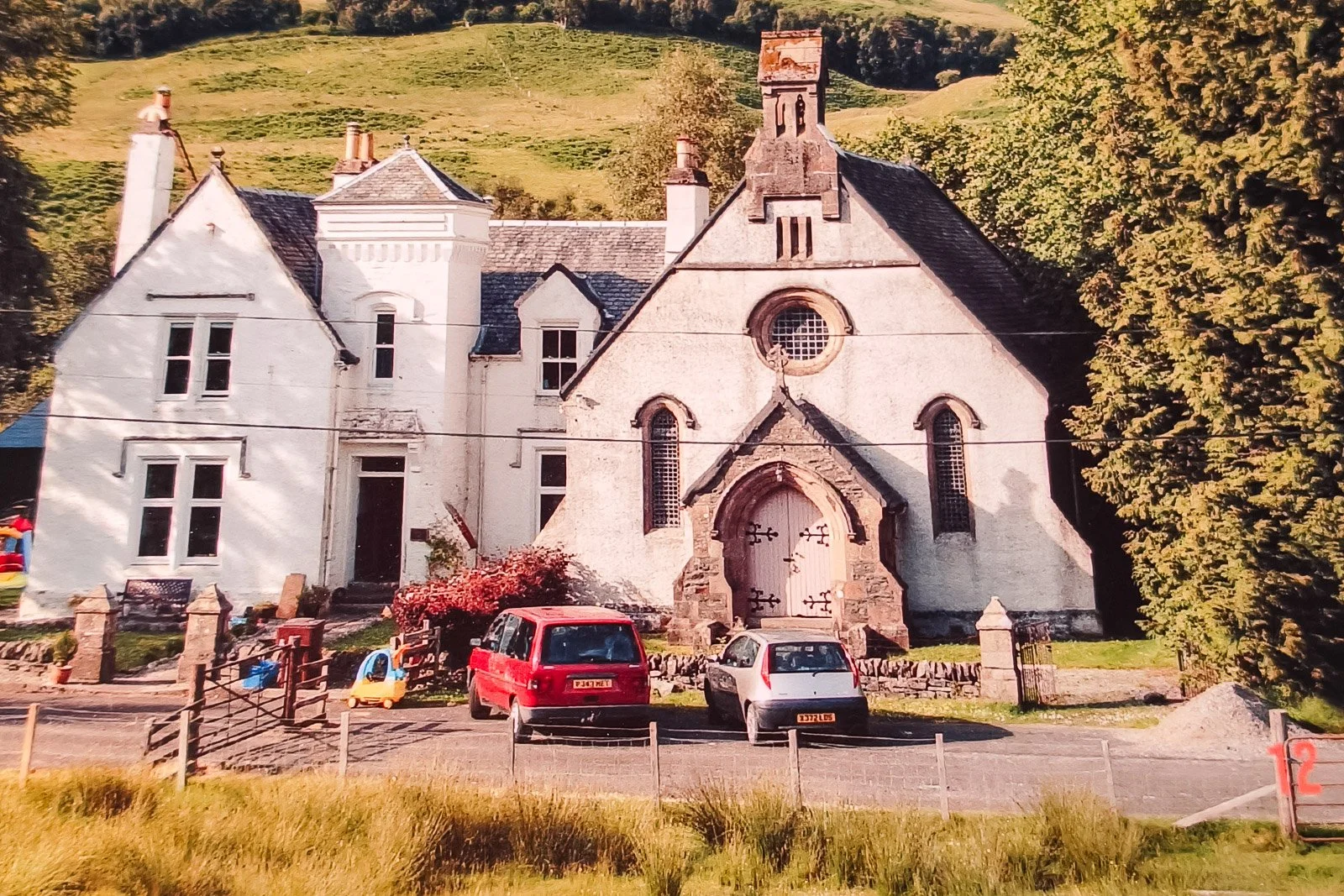
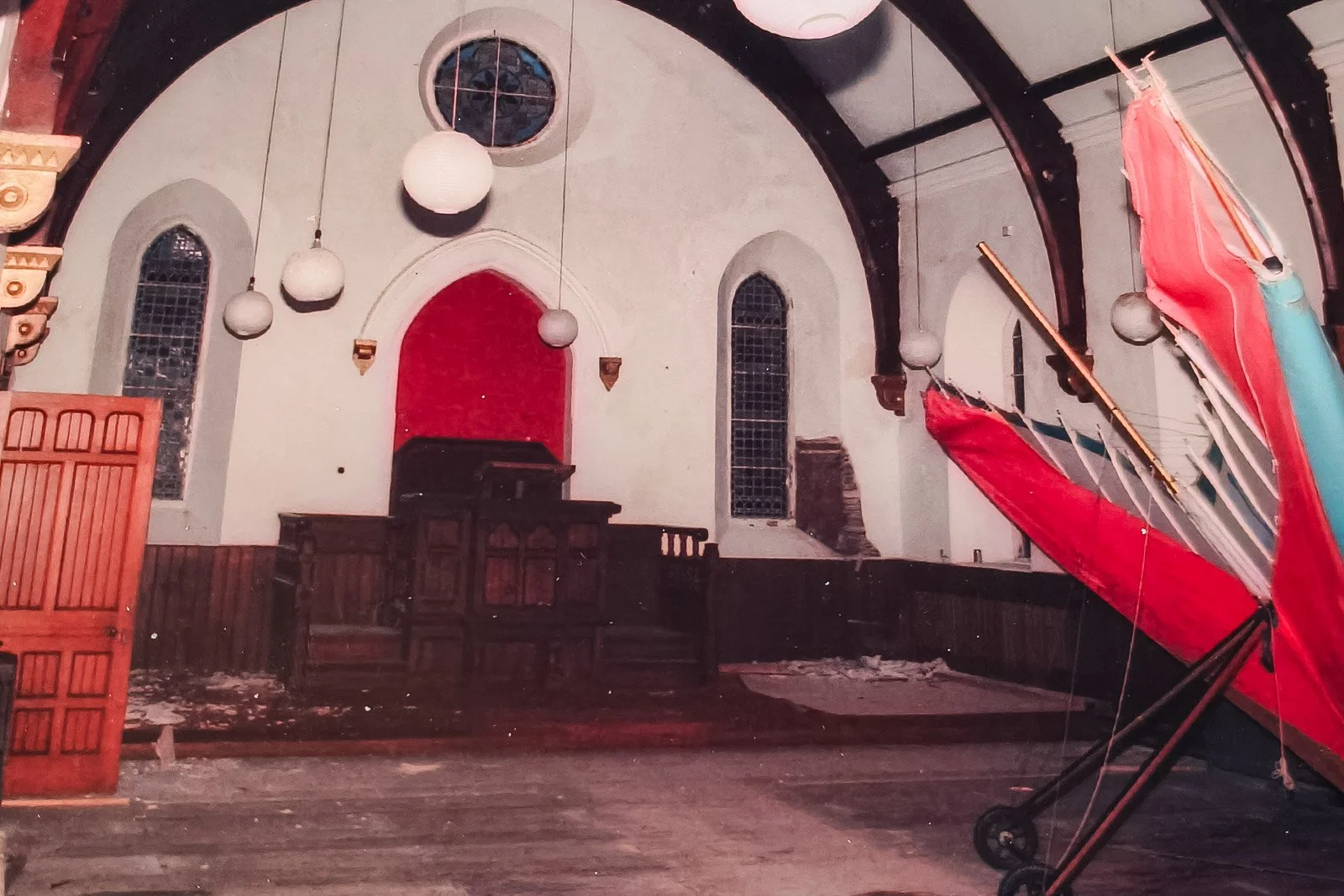
The decision to convert the building into a café was not without controversy. Diane Mailer describes the debate and how it settled. (Above, you can see photographs of the church before its transformation.)
-
aging population and, they will have sort of strong memories and they probably do have opinions on, you know, and some people did see that they, you know, didn't approve and they didn't think the church should have sold it. But that's actually happening all over the place, We're not, like, unique.
We had the opportunity— we didn't buy it as a separate building, it came as a package for us alongside the house when we bought the house, so it wasn't something that we actively went out to, you know, to do, to sort of seek. But I think, I think there is a general sort of feeling that it was a positive thing to do, and over time it will— I mean, it's been bought and it's still— we wanted to sort of sell on as a going concern that it would remain open to the public. But that's, you know, that obviously that's out of our control, but it's nice at the moment that it still is a café, so it's open to locals can come.
We used to do quite a few things that we used to do, a yoga session on Tuesday, we did, we linked up with the local primary school and did an art and craft, we had a workshop at the back that we would invite local artisans in to do, whether it was felt making or candle making or silk printing. So we did actually kind of try and open it up. It wasn't in competition with the village hall or anything as a community space, but it was in— it just gave people options and we used to sell arts and crafts and things that were made locally, so I think we were trying to, preserve the building, you know, allow it to be, you know, used and so it became a working sort of space again.
And that people could, you know, it was quite a creative space actually, so that's quite nice that we were also supporting sort of indirectly, you know, local artisans or artists or people that just, you know, appreciate that kind of thing. So so we saw it as a sort of a joined-up thing, so although it was a business, it was kind of a contribution, as opposed to the community in that sense. I think, I think it was fairly well received as a whole.
Wartime in the glen
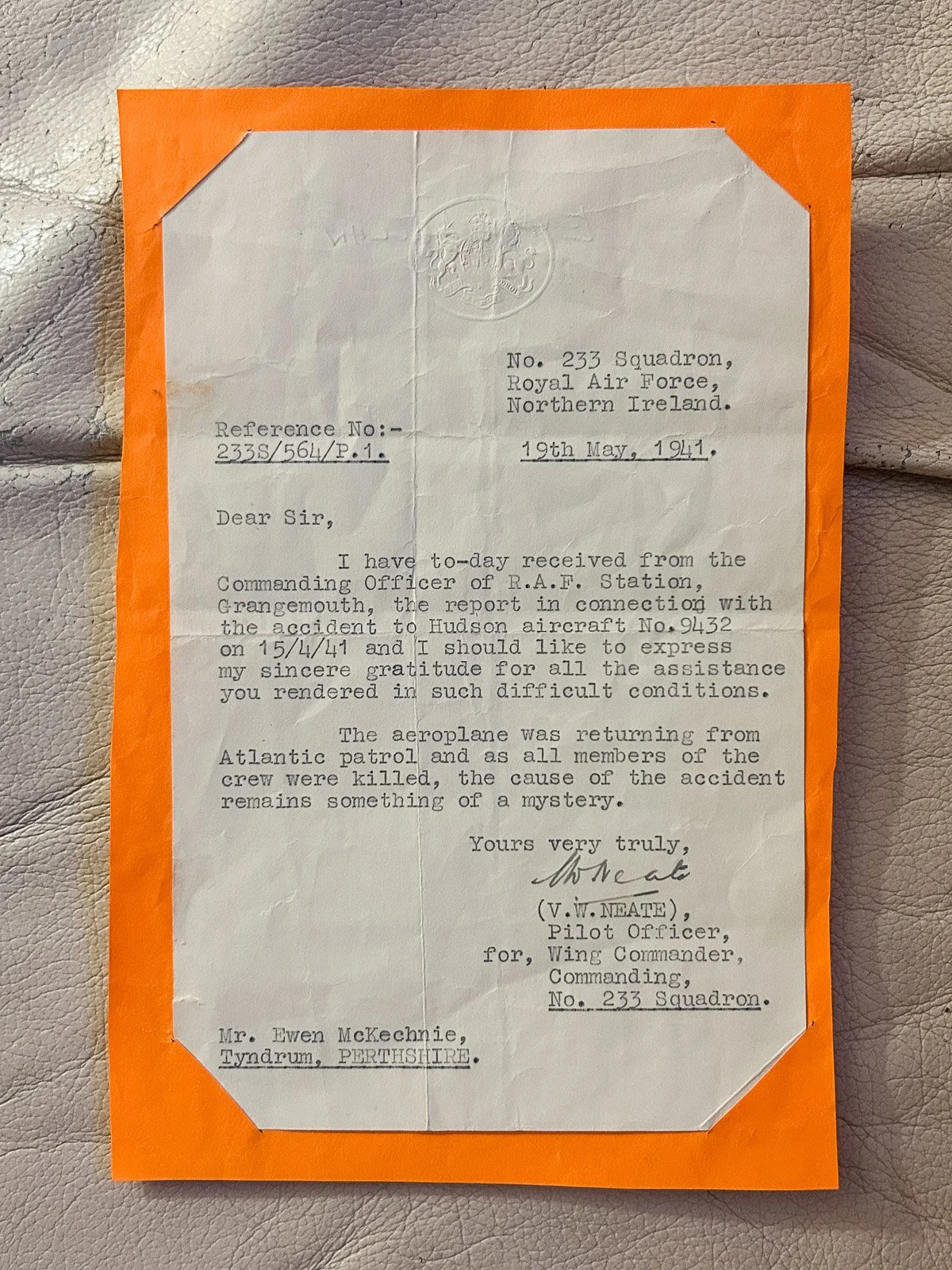
In 1941, an aircraft struck Ben Lui and four men were killed. It was the local shepherds who went up the hill to bring their bodies down, including Elizabeth MacLellan’s father. Elizabeth has kept the letter of thanks from the Ministry of Defence, and decades later was able to help the family of one of the men find out what had happened.
-
In 1941, there was a plane hit Ben Lui, and the four pirates were killed, the four people were killed. And the local shepherds went up the hill to keep their bodies down. And I've got a letter there we got from the MOD thanking them for doing that. And years and years later, in the local Killin News, you've probably heard of it, local Killin News, somebody had written, does anybody know anything about, and I had that letter, so I got a photocopy and I sent it to this Mr Eldridge, and him and his brother came to visit me and I stood in touch with them. They were delighted; the only thing they were sad about was the fact that it was their uncle who was a pilot and their mother had died before they found out the story about them. But these shepherds went up and carried all the bodies down, my father one of them, so my father got this letter to say. So it was quite a, it was lovely after all these years for someone to come along and appreciate what had been done, you know.
Stories from Moirlanich
Moirlanich Longhouse, near Killin in Glen Lochay, preserves a traditional home where generations of the Robertson family lived and farmed. Its rooms, belongings and unusual hanging lum, or chimney, give a glimpse of everyday life before electricity and indoor plumbing.
Tom Proctor, the last person to live at the longhouse, is remembered for his humour and storytelling. Duncan McNab recalls visiting as a child and listening to one of Tom’s tales, involving a shotgun and an unconventional way of cleaning the chimney.
Thank you to Killin Media Team for this interview.
-
I came here on a visit with my grandpa, and Tom and my grandpa were in the kitchen here chatting away and Tom caught out of the corner of his eye that I was fascinated by the hanging lum, and he asked me: "Do you want to know how I clean my chimney?" And I thought, not in my head, and he says, "Well, what I do is I light the fire, and then I get my double-barrel shotgun."
And he said, "I point it up underneath the hanging lup, and I wait for a pheasant to fly over the roof, and then I fire both barrels up the chimney. It blows all the soot out, the pheasant gets hit with a pellet, it comes down, lands on the fire, and cooks for my tea." And I was just 100% convinced that that was absolutely genuine and that was exactly how he did it.
Conclusion
Heritage in a place like this is not something kept in a museum. It lives in the buildings that get converted and the ones that fall down, in the diaries that survive and the stories that get passed on. The voices in this section reach back across centuries: to a seventh-century saint whose arm was said to glow in the dark, to a Victorian farmer who went to Pompeii, to a gillie who claimed to clean his chimney with a shotgun. Together they make a case for why this landscape, quiet and remote as it often appears, has never been short of a story to tell.
Thank you to everyone who shared their stories about the heritage of Crianlarich, Tyndrum and Killin.